Thinking about buying or selling in Hampton Bays but not sure where to start? You are not alone. With a mix of year-round homes, second homes, and coveted waterfronts, this market moves on its own calendar. In this guide, you will learn how pricing tiers work, when inventory tends to appear, and which local factors have the biggest impact on value and timing. Let’s dive in.
How the Hampton Bays market works
Hampton Bays sits on Long Island’s South Shore within the Town of Southampton. It blends year-round living with a strong seasonal and boating lifestyle. Housing options include single-family homes, smaller cottages and bungalows, a few condos and co-ops, and a limited set of bayfront or canal-front properties.
Price tiers at a glance
- Entry tier: Smaller cottages, condos, and modest single-family homes that attract first-time buyers, local workers, and some investors.
- Mid tier: Typical 3 to 4 bedroom homes, often on larger lots with updated kitchens and baths, popular with families and commuters.
- Upper tier: Renovated or newer homes in desirable pockets with upgraded finishes and more land.
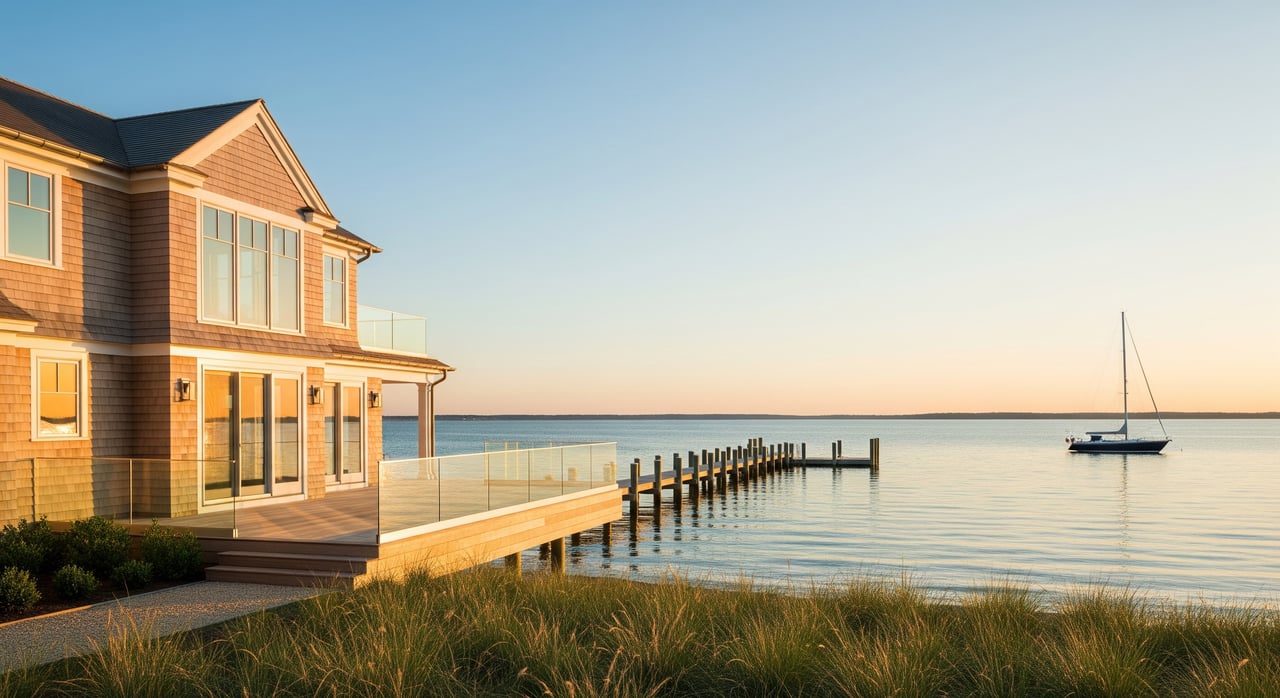
- Waterfront and luxury tier: Bayfront or ocean-access properties, sometimes with private docks or broad frontage. These see the most seasonal demand and price swings.
What drives value most
- Waterfront type and access. Direct ocean, bay, or canal access, plus frontage and the presence of a private dock, are top value drivers.
- Lot size and usable outdoor space. Pools, outbuildings, and seawalls can influence price and appeal.
- Condition and renovations. Updated kitchens, baths, mechanicals, and septic systems matter.
- Flood zone and elevation. Seawalls and bulkheads and their condition are important for risk and insurance.
- Proximity to the LIRR station, village center, marinas, and beaches.
- Zoning, buildability, and septic capacity within Town of Southampton rules.
- Short-term rental potential and the status of local regulations.
Inventory and seasonality in Hampton Bays
Hampton Bays follows a clear yearly rhythm. Understanding it can help you choose the right moment to list or make an offer.
Best months to list or shop
- Listing peak: Late spring through mid summer, typically April to July. Sellers aiming for summer occupancy tend to list early.
- Demand peak: Late spring into early fall. NYC-based and seasonal buyers are active, which can tighten supply.
- Off peak: Late fall and winter. There are fewer listings and fewer buyers. Serious buyers may find more negotiating room but fewer options.
Microseasonal dynamics
- Weekend traffic jumps in summer. Showings and competition can spike on Fridays through Sundays.
- New listings often arrive in waves between late March and May. Early spring can feel scarce, then selection improves.
- Waterfront inventory is limited and turns over more slowly. Pricing reflects its niche buyer pool and unique features.
Local factors that shape pricing
Hampton Bays has specific details that can make a major difference in both value and timing.
Waterfront, bay, canal, and ocean access
Shinnecock Bay and its canals are central to the lifestyle. Properties with boat slips or private docks draw strong interest from boaters and anglers. Ocean access is rarer and often priced differently than bay or canal frontage. For comparisons, separate waterfront comps from inland comps.
Flood zones and insurance
Many homes sit within FEMA flood zones. Elevation, bulkheads, and seawalls can influence risk and insurance costs. Lenders usually require flood insurance in Special Flood Hazard Areas, so confirm requirements and premiums early in your search or preparation to sell.
Septic systems and permits
Much of the area uses on-site septic. Capacity, age, and upgrade requirements affect improvements or expansions, and they can add costs to a transaction. Town rules tied to environmental protection and wastewater planning influence buildability and long-term value.
Short-term rental rules
Short-term rental regulations exist at the Town level and can change. Registration, permitting, and occupancy limits may apply. If rental income matters to your plan, verify the current policy landscape before you buy or list.
Supply limits and development pressure
Environmental protections, wetlands, lot size requirements, and zoning constrain new development. This structural scarcity helps support pricing, especially in desirable micro-locations.
Commuting and accessibility
Hampton Bays has a Montauk Branch LIRR station. Train frequency, drive times on Montauk Highway, and station parking can factor into demand from commuters and hybrid workers.
Practical tips for buyers
- Time your search. If you want selection, watch early spring. If you want leverage, target late fall and winter.
- Budget for the waterfront details. Get early quotes for flood insurance if the property is in a flood zone, and budget for seawall or bulkhead maintenance when relevant.
- Order the right inspections. In addition to general inspections, consider septic, termite and pest, mold, and, for waterfronts, marine or structural inspections.
- Use the right comps. Do not mix inland with waterfront comps. Note the season of nearby sales when evaluating price.
- Work with a local expert. Choose representation that understands Town rules, short-term rental policies, and seasonal timing.
Practical tips for sellers
- Pick your moment. Spring listings typically maximize traffic and summer occupancy potential. Late fall and winter can attract serious buyers who want a quicker negotiation.
- Prep for the lifestyle story. Tidy landscaping, clean docks, and clear outdoor zones help buyers picture summer use. Provide documentation for septic service, flood mitigations, and permits.
- Price with precision. Waterfront and canal properties need careful comp analysis. Highlight boating, beaches, and outdoor living in your marketing.
- Disclose completely. Be upfront about flood zones, septic history, permits, and any short-term rental background to avoid delays.
Timeline and closing considerations
- Scheduling. Contractors and inspectors can be backed up during peak summer. Build extra time into your contract.
- Appraisals. High-season sales can influence appraised value. Make sure comps are recent and relevant to the property type.
- Financing and insurance. Lenders, insurers, and title companies may move slower around holidays and in peak months. Start insurance underwriting early, especially for waterfronts.
What this means for you
If you want a summer move, get ahead of the spring listing wave. If you want negotiating room, consider the off season. Focus on the value drivers that matter most in Hampton Bays, especially water access, flood and septic details, and proximity to marinas, beaches, and transit. With the right plan and local guidance, you can buy or sell with confidence.
Ready to talk strategy for your home or purchase plan in Hampton Bays? Reach out to Marie Catanzano for boutique, concierge-level guidance that aligns with your timing and goals.
FAQs
What should a first-time buyer know about Hampton Bays pricing?
- Expect distinct tiers for entry, mid, upper, and waterfront homes, with water access and condition driving the biggest differences in value.
When is the best time to list a home in Hampton Bays?
- Spring through early summer typically brings the most buyers and showings, while late fall and winter can offer fewer showings and more focused negotiations.
How does flood risk affect a Hampton Bays purchase?
- If a property is in a Special Flood Hazard Area, lenders usually require flood insurance, so confirm the flood zone, elevation, and estimated premiums early.
What inspections are important for a waterfront property in Hampton Bays?
- In addition to a standard home inspection, consider septic, termite and pest, mold, and specialized marine or structural reviews for bulkheads and docks.
Are short-term rentals allowed in the Town of Southampton?
- Rules exist and can change, including registration and occupancy limits, so verify current requirements with the Town before you buy or plan rentals.
How do seasonality and weekends impact showings?
- Summer weekends often bring heavier buyer traffic and more competition, while winter months tend to be quieter with more room for negotiation.