If your Southampton home is about to hit the market, preparation can shape the entire outcome. In a market where buyers often have choices and homes can take time to sell, the homes that feel polished, well-priced, and move-in ready tend to stand out faster. The good news is that you do not need to overhaul everything to make a strong impression. With the right pre-listing plan, you can focus on the updates that matter most and launch with confidence. Let’s dive in.
Why prep matters in Southampton
Southampton is a selective market right now, which means presentation matters. Realtor.com’s Southampton market overview reported 197 homes for sale in February 2026, a median listing price of $3.575 million, homes selling at 94% of list price, and a median 164 days on market.
Those numbers tell an important story for sellers. Buyers have options, and many are taking their time before making a move. That makes your home’s condition, visual appeal, and pricing strategy even more important from day one.
Start with clean, clutter-free spaces
Before you think about styling or photography, focus on the basics. Freddie Mac’s home selling prep guide recommends deep cleaning, decluttering, and depersonalizing so buyers can imagine themselves in the home more easily.
That guidance lines up with the National Association of Realtors 2025 staging report, which found that decluttering was the top recommendation from sellers’ agents at 91%, followed by cleaning the entire home at 88%. In other words, this is not a small detail. It is one of the most important first steps you can take.
What to remove first
When you walk through your home, look for anything that makes rooms feel smaller, busier, or too personal. The goal is not to strip away all character. It is to create calm, open spaces that photograph well and feel easy to enjoy.
Start with:
- Excess furniture
- Overfilled shelves and countertops
- Personal photos
- Collections and keepsakes
- Extra storage bins, baskets, or visible household items
- Seasonal or rarely used items
If needed, pack early. Pre-packing can make your home feel larger while also giving you a head start on your move.
Fix the small issues buyers notice
Small defects can chip away at a strong first impression. Freddie Mac recommends taking care of visible wear such as leaky faucets, broken door handles, and cracked windowpanes before listing.
In a premium market like Southampton, buyers tend to notice details. A dripping faucet or chipped trim may seem minor, but multiple small flaws can make a home feel less cared for than it really is. Simple repairs help your property feel clean, maintained, and ready for the market.
Refresh paint where needed
A fresh coat of paint is often one of the simplest ways to improve how a home shows. Freddie Mac notes that paint can cover scuffs and imperfections, giving spaces a cleaner and more updated look.
If you are deciding where to spend, focus on areas with visible wear, heavy traffic, or dated colors. Clean, neutral finishes can brighten rooms and create a more cohesive look in photos and showings.
Focus on curb appeal early
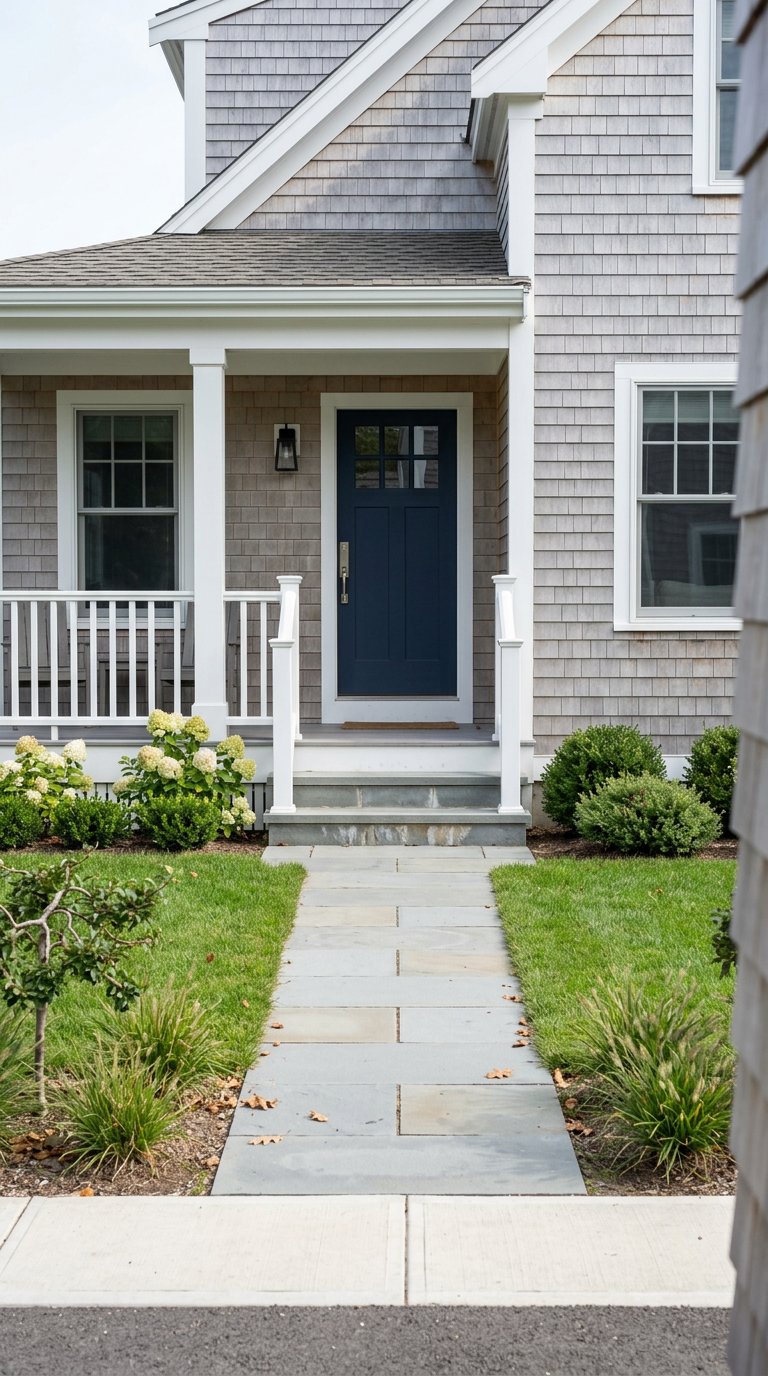
Your exterior sets expectations before a buyer ever walks inside. Freddie Mac recommends fresh mulch, flowers, and a well-kept lawn, while NAR says 77% of agents recommend improving curb appeal.
That matters in Southampton, where buyers often form an opinion the moment they arrive. A tidy exterior can make the home feel more welcoming, more cared for, and more aligned with the price point.
Exterior updates worth prioritizing
According to NAR’s curb appeal guidance, the most effective approach is often simple and edited, not overcrowded. Focus on the front porch, layered lighting, and clean landscaping rather than trying to do too much at once.
A smart curb appeal checklist may include:
- Refreshing mulch or planting beds
- Trimming shrubs and trees
- Cleaning walkways and entry areas
- Touching up the front door or hardware
- Replacing worn lighting or making sure fixtures work properly
- Keeping the lawn neat and consistent
Stage the rooms that count most
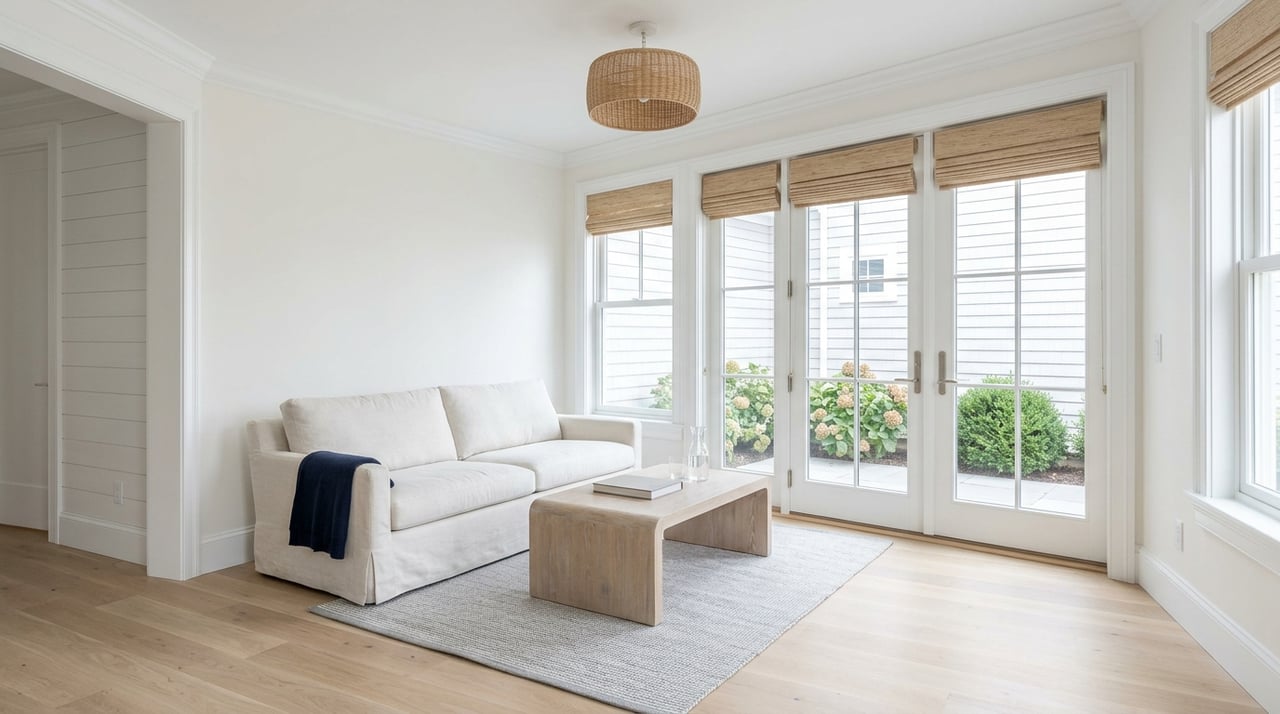
Not every room needs the same level of attention. The NAR 2025 staging report found that buyers consider the living room most important at 37%, followed by the primary bedroom at 34% and the kitchen at 23%.
For sellers, that is a helpful roadmap. If you are deciding where to invest time and energy, start with the spaces buyers care about most and the spaces most likely to appear first in marketing materials.
Rooms to prioritize first
Based on the same NAR report, sellers most often staged:
- Living room
- Primary bedroom
- Dining room
- Kitchen
These are the spaces where buyers tend to picture daily life. They also tend to carry the most weight in listing photos, video, and private showings.
Why staging helps
Staging is not about making your home look artificial. It is about helping buyers understand scale, function, and flow.
NAR found that 83% of buyers’ agents said staging made it easier for buyers to envision the property as their future home. The report also found that listing photos were rated important by 73% of buyers’ agents, with videos at 48% and virtual tours at 43%.
That means your preparation should support both in-person showings and digital first impressions. In many cases, buyers will form an opinion from the marketing before they ever schedule a visit.
Set a realistic staging budget
Many sellers wonder whether staging is worth the cost. According to NAR, the median cost for a staging service was $1,500, while the median cost was $500 when the seller’s agent handled the staging.
NAR also found that 29% of agents said staging led to a 1% to 10% increase in the dollar value offered, and 49% observed a reduction in time on market. While every property is different, those numbers suggest that thoughtful staging can be a practical investment, especially when the goal is a stronger launch.
Spend on visible value, not major overhauls
If you are tempted to tackle a full renovation before listing, pause and look at the likely return. Zonda’s 2024 Cost vs. Value report found that exterior replacement projects delivered some of the strongest resale returns, including garage door replacement at 194% ROI, steel entry door replacement at 188%, and manufactured stone veneer at 153%.
The same report found that a minor kitchen remodel recouped 96%, while upscale bathroom and kitchen remodels did not return nearly as much. For many Southampton sellers, that supports a simple strategy: fix what is visible, improve what buyers notice first, and avoid over-improving unless there is a true functional issue to solve.
Best places to invest before listing
In many cases, the smartest pre-sale spending is concentrated in a few areas:
- Deep cleaning and decluttering
- Paint touch-ups or selective repainting
- Small repairs
- Landscaping and entry updates
- Staging key rooms
- Exterior features with strong visual impact
This kind of targeted preparation often does more for marketability than a large, expensive project with limited payoff.
Coordinate everything before launch
One of the biggest mistakes sellers make is doing the right work in the wrong order. Cleaning before repairs, scheduling photography before staging, or leaving exterior work unfinished can weaken the final presentation.
A coordinated timeline helps your home feel consistent and photo-ready on launch day. Since staging, photography, video, virtual tours, repairs, and curb appeal all influence the buyer experience, the strongest results usually come from treating pre-listing prep as one connected plan.
A simple pre-listing sequence
A smooth sequence often looks like this:
- Declutter and pack excess items
- Deep clean the home
- Complete visible repairs
- Refresh paint where needed
- Improve landscaping and entry appeal
- Stage the most important rooms
- Schedule photography and other marketing assets
- Launch when the home is fully show-ready
This kind of planning can reduce stress and help you avoid rushed decisions right before your listing goes live.
What Southampton sellers should remember
In a market where buyers may compare several properties before making an offer, standout presentation matters. Cleanliness, repairs, curb appeal, and smart staging are not cosmetic extras. They are part of how you compete.
The strongest pre-listing strategy is usually not the most expensive one. It is the one that helps your home look cared for, feel inviting, and show consistently well online and in person.
If you are getting ready to sell in Southampton, working with a local listing specialist can make the process much easier. From staging and painting to pack-out coordination and curb appeal, Marie Catanzano offers hands-on guidance designed to help you prepare thoughtfully and bring your home to market at its best.
FAQs
What should you do first when preparing a Southampton home for sale?
- Start with deep cleaning, decluttering, and depersonalizing so buyers can picture themselves in the space more easily.
Which rooms matter most when staging a Southampton home?
- The living room, primary bedroom, and kitchen are the top rooms to prioritize based on the NAR 2025 staging report.
Is professional staging worth it for a Southampton listing?
- It can be. NAR reported that staging may help increase the dollar value offered and can also reduce time on market.
Should you renovate before listing a Southampton home?
- Usually, targeted updates make more sense than major remodels. Visible repairs, paint, curb appeal, and selective improvements often offer better value.
Why does curb appeal matter when selling a Southampton home?
- Curb appeal shapes the first impression and can make your home feel more inviting and better maintained before buyers even step inside.