Thinking about offsetting your Hampton Bays home costs by renting it short term? The right property in 11946 can perform well, but only if you understand local rules, taxes, seasonality and true operating costs. This guide walks you through permits, the Town’s 14‑day minimum, what drives demand, and how to model your numbers conservatively. You’ll also get a due‑diligence checklist to evaluate any property with confidence. Let’s dive in.
Know the rules first
Town rental permits and 14‑day minimum
If you plan to rent in Hampton Bays, start with the Town of Southampton’s rental permit. The Town treats rentals under 14 days as transient, which are not permitted under current code. You must secure a Town rental permit before advertising or accepting bookings, and permits are issued for two years and are non‑transferable to a buyer. Review the Town’s requirements in the official Rental FAQ, including safety affidavits, floor plans, and certificates of occupancy.
The Town notes typical processing can take 1 to 4 weeks, sometimes longer in summer, so build that into your timeline. Advertising without a permit can trigger violations and fines. A new owner must apply for a fresh permit after closing, even if the seller has one.
Occupancy, parking and safety standards
The permit packet outlines occupancy by bedroom and area, required smoke and CO detectors, and other safety items that influence how many guests you can host. It also references limits on overnight vehicles and property maintenance expectations. Before you underwrite, review the official rental permit application for these practical constraints.
Noise and special events
Summer enforcement is active. Southampton’s noise and special‑event rules set measurable limits and specific prohibitions, which are common triggers for neighbor complaints and fines. Get familiar with the Town’s noise code section and plan house rules that align with it.
Jurisdiction and flood overlays
Hampton Bays is an unincorporated hamlet within the Town of Southampton, so Town rules apply. Many parcels sit in FEMA flood zones and coastal overlays that affect insurance, elevation, and any plan to add a dock. Use the Town’s GIS map tools to confirm parcel jurisdiction, flood zone, and other overlays early in your evaluation.
Taxes that affect your net
Suffolk County occupancy tax
Short stays are subject to Suffolk County’s hotel/motel occupancy tax. The current County rate is 5.5 percent of the per‑diem rental rate for stays under 30 days. Major platforms may collect and remit, but you are responsible for registration and filing where required. Review the County’s guidance on the hotel/motel occupancy tax.
New York State and local sales tax
Short‑term lodging is also subject to New York State and local sales tax. Combined rates can change, and platform collection practices vary. Check current rules and locality notices on the NY Department of Taxation and Finance, and verify who collects which taxes for your listing.
What drives demand in 11946
Strong summer seasonality
Hampton Bays is a classic seasonal market. Bookings and rates peak from Memorial Day through Labor Day, with July often the top revenue month and softer shoulder seasons in May, September and October. Third‑party datasets reflect this pattern; review a local snapshot like AirROI’s Hampton Bays report for listing‑level comps and booking rhythm. Keep in mind the Town’s 14‑day minimum, which reduces short weekend stays and changes turnover strategy.
Features that move the needle
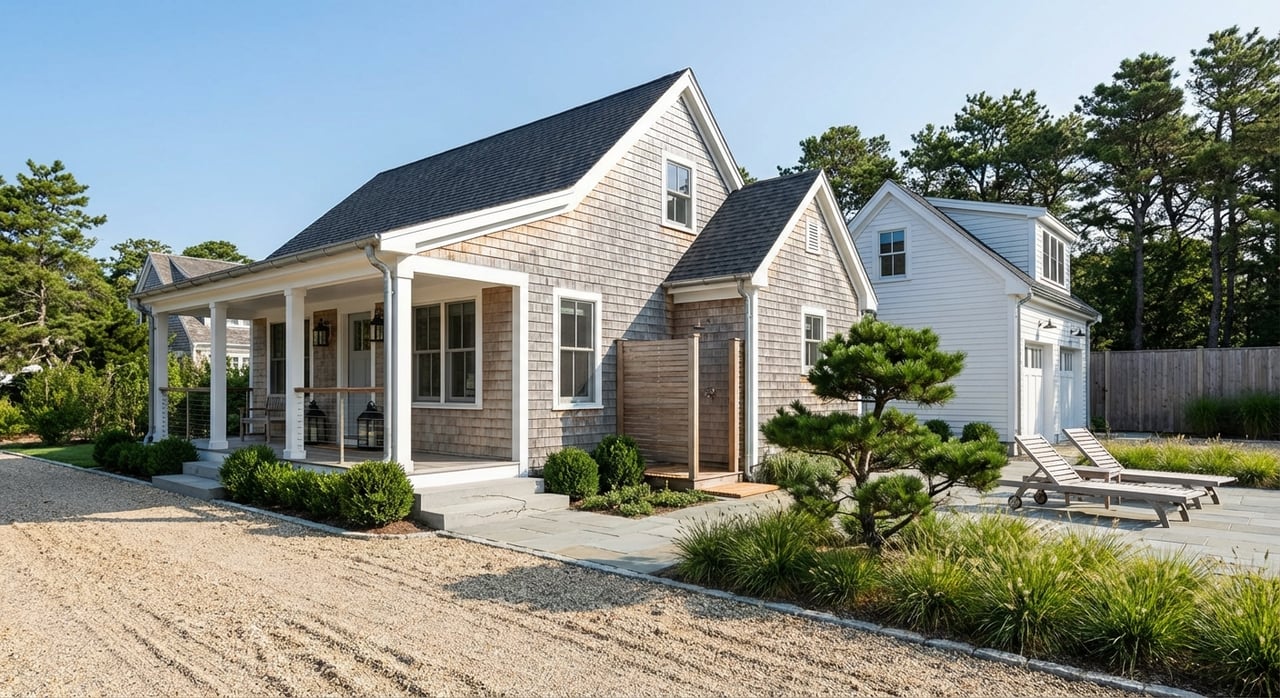
Most rentals are single‑family homes or waterfront cottages. Properties with bay or ocean access, private docks or slips, heated pools, modern kitchens and baths, strong outdoor living, and convenient parking command higher rates. Walkability to shops, restaurants, and the LIRR Montauk Branch can add demand. Exact location matters: oceanfront and bayfront tend to outperform inland addresses.
Run the numbers conservatively
A simple, illustrative model
Treat platform snapshots as starting points, not guarantees. For example, a recent market estimate shows a “median‑type” Hampton Bays listing at an average daily rate of about $451 and roughly 23 percent occupancy (around 84 nights), which implies about $37,900 in gross annual revenue. These are modeled estimates based on scraped booking data and vary widely by property.
Now layer in typical costs:
- Platform host fee at about 3 percent of payouts. See Airbnb’s host fee overview.
- Management at 15 to 35 percent of gross revenue depending on service level. A 25 percent assumption is a practical underwriting input; read an overview of fee structures from Breezeway.
- Cleaning and laundry, often $150 to $500 per turnover, with fewer but deeper cleans due to 14‑day minimums.
- Utilities and services such as electric, gas, water, cable or wi‑fi, landscaping, and pool care.
- Insurance, including homeowners, short‑term rental liability, and flood where applicable. Flood premiums can be high in some zones.
- Local taxes and remittances as noted above.
Using the median revenue example above and conservative expenses, the resulting net operating income before mortgage and property tax can compress to roughly $10,000 to $20,000 per year for a typical listing. Waterfront or premium properties can outperform this range, while homes with compliance or location challenges can underperform it. Your actual results will depend on location, amenities, finish level, pricing discipline, and compliance with the 14‑day minimum.
Red flags to avoid
- No active Town rental permit, or a history of violations or non‑compliant short stays.
- Properties in high‑risk FEMA zones with costly flood premiums and low elevation.
- HOA, condo, or deed restrictions that limit or forbid short‑term rentals.
- Insufficient parking to meet Town guidance on overnight vehicles.
- Septic capacity that limits legal occupancy or future bedroom additions.
Where you can win
- Bay or ocean access, especially with a private dock or slip that attracts boaters and multi‑family groups.
- Turnkey condition with updated systems, modern interiors, and appealing outdoor spaces like a heated pool and lounge areas.
- Seasonal block strategies, such as leasing longer summer periods to one party for stable cash flow and fewer turnovers.
- Strong reviews and repeat guests that reduce platform dependence and improve pricing power.
Due‑diligence checklist for buyers
Before you offer, ask the seller for documentation and verify with Town and County records:
- Proof of a current Town of Southampton rental permit, understanding it is not transferable to you.
- Any outstanding code violations, neighbor complaints, or enforcement actions.
- Two to three years of booking calendars, gross receipts, guest invoices, and platform payout statements.
- The seller’s minimum‑stay settings and whether any past bookings violated the 14‑day rule.
- Designated local contact required on the Town permit forms.
- Registration and recent filings for Suffolk County occupancy tax and New York sales tax, plus whether a platform collected on the owner’s behalf.
- Zoning confirmation and any HOA or condo covenants that affect rentals.
- Flood zone, elevation certificate, insurance quotes, and any flood claims.
- Septic and well records, including capacity and last service date.
- Onsite parking count compared with Town guidance on overnight vehicles.
- Actual annual utility bills and seasonal service costs, including pool and landscaping.
- Copies of live listings to compare advertised minimum nights to Town rules.
- Maintenance history and upcoming capital needs like roof, HVAC, dock, bulkhead, or septic upgrades.
- Plan for handling existing bookings at closing, given the permit is not transferable.
- Proposals from local property managers that specialize on the East End.
Practical next steps
- Confirm parcel jurisdiction in the Town’s GIS and check the property’s rental permit status and flood zone overlays.
- Request the seller’s P&L, booking calendars, and platform payout statements for the last two summers, then reconcile claimed revenue to deposits.
- Register or verify Suffolk County occupancy tax status and confirm how taxes have been handled historically.
- Obtain insurance quotes for homeowners, flood, and a short‑term rental liability endorsement, plus a local management proposal with scope and fees.
- Build two pro formas: a seasonal block model and an annualized per‑night model. Use conservative assumptions for vacancy, a 25 percent management line, and higher utilities and insurance for coastal exposure.
Ready to evaluate a specific Hampton Bays property or compare two scenarios side by side? Get tailored guidance from a local expert who understands permits, seasonality, and waterfront value. Connect with Marie Catanzano to run the numbers, pressure‑test compliance, and position your investment for success.
FAQs
What are the short‑term rental rules in Hampton Bays?
- The Town of Southampton requires a rental permit and treats rentals under 14 days as transient, which are not permitted; permits last two years and are not transferable to a buyer.
Do I need to collect taxes from guests in Suffolk County?
- Yes. Stays under 30 days are subject to the 5.5 percent County occupancy tax and applicable New York State and local sales tax; platforms may collect some taxes, but you are responsible for registration and filings.
How seasonal is rental income in 11946?
- Most revenue concentrates between Memorial Day and Labor Day, with July often the top month; shoulder seasons can add bookings at lower rates, and the 14‑day minimum changes turnover patterns.
Which amenities boost rates most in Hampton Bays?
- Waterfront or water‑access locations, private docks or slips, heated pools, modern interiors, appealing outdoor spaces, and convenient parking typically command higher nightly rates.
Can I take over the seller’s permit and bookings after closing?
- No. The Town’s rental permits are not transferable; you must apply for your own permit, and your attorney should address how existing bookings will be handled in the contract.