Looking for a true Hamptons escape you can actually reach on a Friday? Westhampton Beach pairs ocean beaches, calm bays, and a walkable village in a compact, easygoing setting. If you are considering a second home, you want clear answers about travel time, beach access, home styles, prices, and the rules that shape rental potential. This guide gives you the essentials and the must‑checks so you can explore with confidence. Let’s dive in.
Quick snapshot: Westhampton Beach
Westhampton Beach is an incorporated village in the Town of Southampton on Long Island’s South Shore, often seen as the western gateway to the Hamptons. It sits about 78 miles from midtown Manhattan, and the drive commonly takes around 2 hours, with longer times during peak summer weekends. The village area is small and walkable, with a year‑round population of about 2,150 according to the 2020 census. Expect a much larger seasonal crowd in summer, which brings lively energy to Main Street and the beaches.
- Learn more about the village setting and amenities on the Greater Westhampton Chamber’s overview page: Village of Westhampton Beach.
- See population context on Westhampton Beach census basics.
Getting there from NYC
By car, plan for roughly 2 hours in light traffic. The LIRR Montauk Branch serves the area; seasonal express options like the Cannonball have historically offered much faster non‑stop runs, while regular trains can require transfers and take longer. For accurate times, check current LIRR schedules on the day you travel. Friday evening and Sunday afternoon are the most congested windows in summer, so plan ahead.
What second‑home life feels like
Beaches and Dune Road
Rogers Beach and the barrier‑beach stretch along Dune Road define the summer rhythm. The Village issues seasonal beach and parking stickers, and rules differ for owners, guests, and tenants. If you plan to rent your home for part of the summer, the Village requires a summer rental application and has specific beach‑sticker transfer rules for landlords. Review details on the Village services page so you know what your address qualifies for and how your tenants can access the beach.
- Explore Village beach passes, eligibility, dates, and landlord rules on the Westhampton Beach services page.
Bays, boating, and marinas
On the bay side, you will find an active boating and sailing culture around Moriches Bay and Moniebogue Creek. Local yacht clubs and marinas support both cruising and racing, plus junior sailing programs. If time on the water is a priority, consider homes with bay access or easy proximity to a marina and membership opportunities.
- Get a feel for the community through the Westhampton Yacht Squadron.
Downtown culture and dining
Main Street is compact and easy to stroll, with boutique shops, a seasonal farmers market on the Village Green, and a year‑round performing arts center programming concerts and film. Many second‑home owners love being close enough to walk to dinner or coffee. You can keep the car parked all weekend and still enjoy the village.
- See highlights of the village atmosphere on the Greater Westhampton Chamber page.
Who this place is for
- Weekend buyers who want a true village to stroll, dine, and catch a show without long drives once they arrive.
- Ocean lovers who also value calmer bay water for boating, sailing, or paddle time.
- Shoppers seeking a more approachable entry to the Hamptons lifestyle compared with the most exclusive towns farther east, while still enjoying ocean and bay access.
Homes and price signals
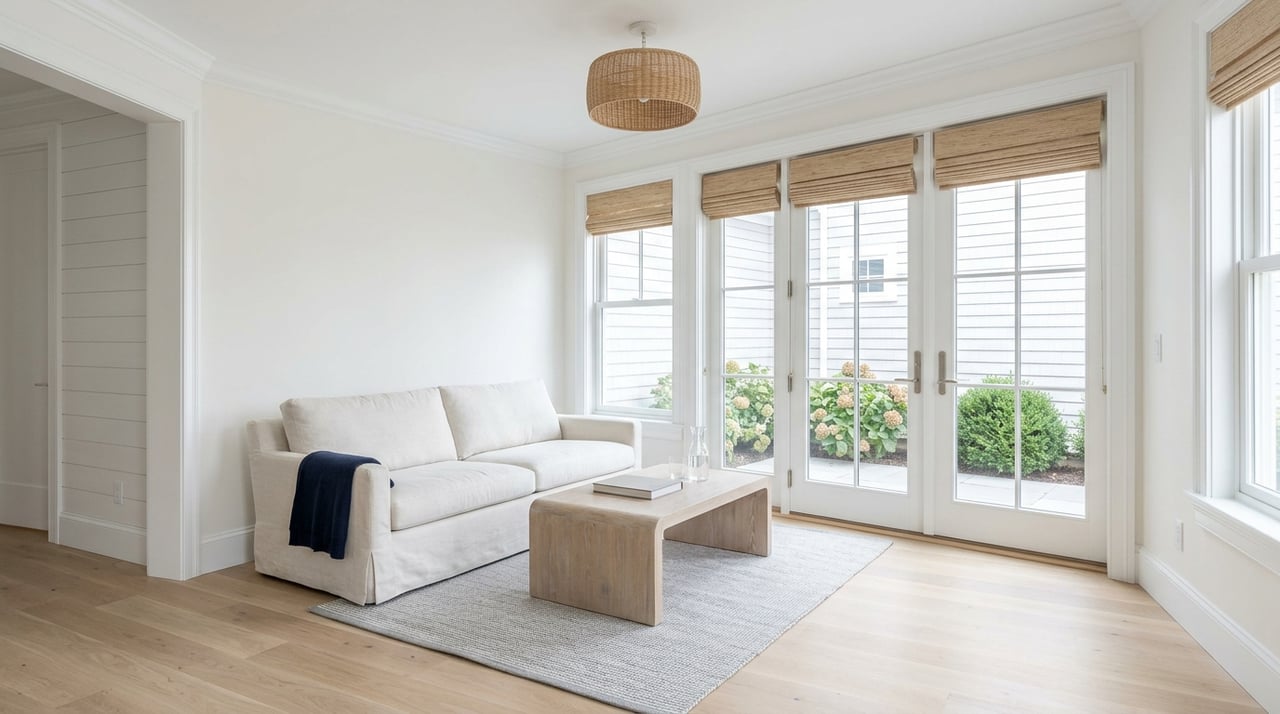
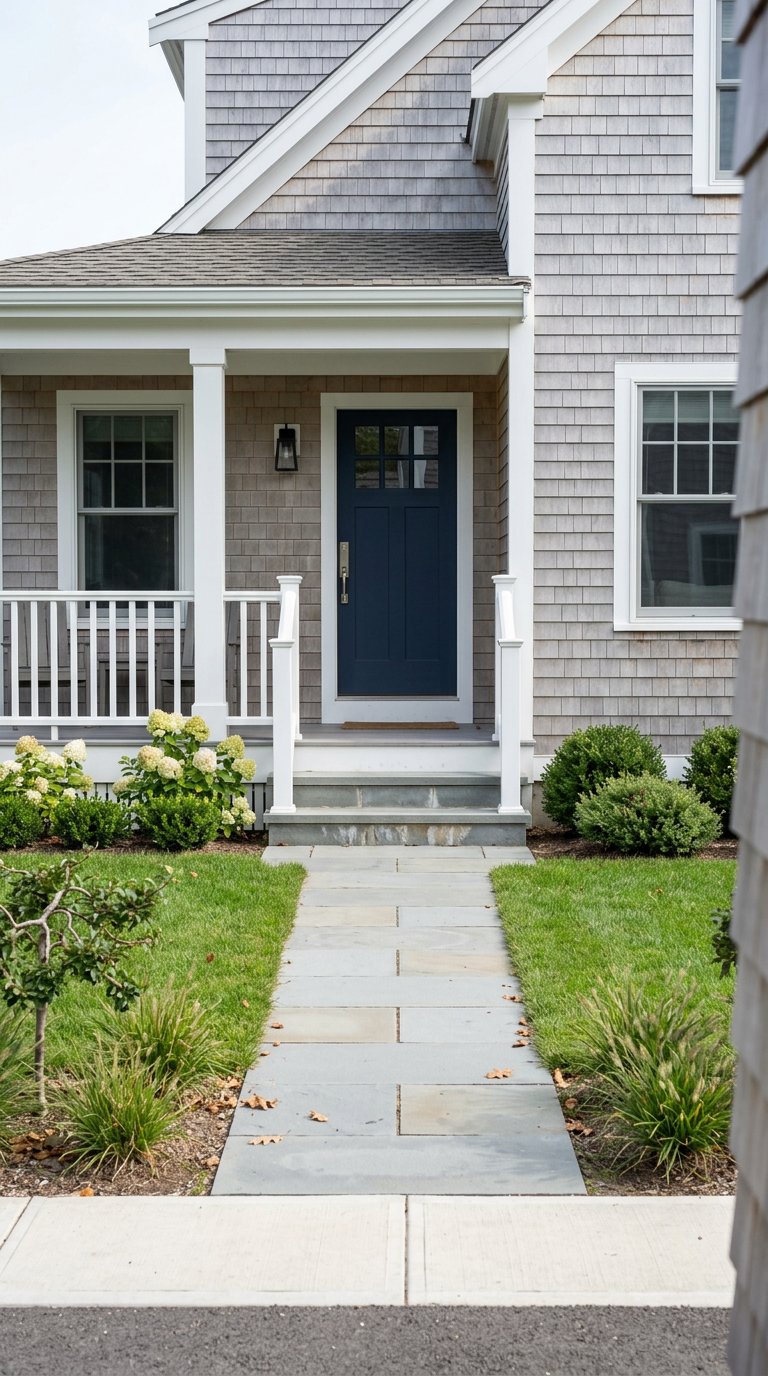
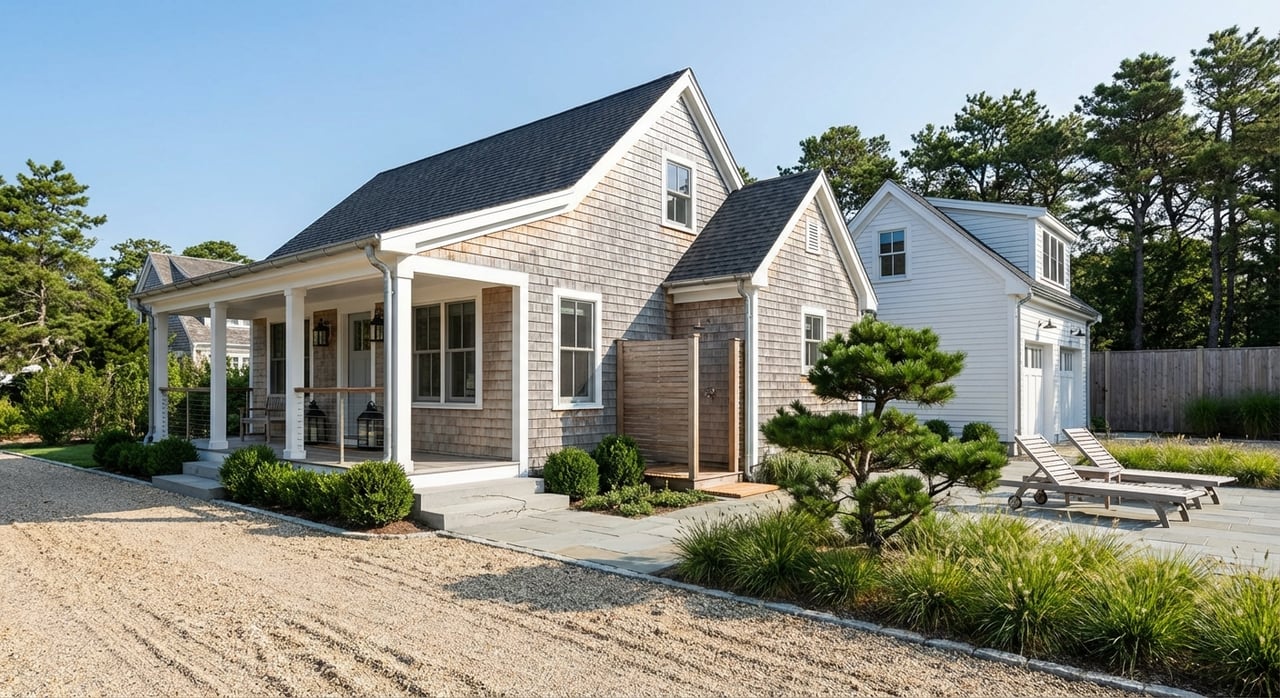
You will see a mix of renovated older bungalows and fisherman’s cottages near the village, raised coastal homes along Dune Road, modest bayfront houses, and some newer modern or classic shingle‑style builds. Shingle style and coastal cottage design remain strong references in Hamptons architecture and listings. Buyers often prioritize proximity to Main Street or the beach, turnkey condition, storage for beach and boat gear, and simple yard maintenance.
On pricing, snapshots vary because sales volume is low and a few luxury closings can skew the numbers. Zillow’s local value index placed the average home value around the mid‑seven‑figure range in a January 2026 snapshot, while Realtor.com reported median listing prices roughly between about $1.38 million and $1.8 million in late 2025, depending on sample and timing. Use this as a directional range: inland cottages and village homes can offer relatively lower entry points, while oceanfront or fully renovated waterfront properties often command multi‑million‑dollar prices. Always review current comps for your exact micro‑location and condition.
- For design context, see a style primer on Hamptons shingle and coastal interiors from Elle Decor.
Village, bay, or Dune Road: how to choose
- Village living: Walkable to shops, dining, and events. Beach‑pass logistics are typically more straightforward for village residents. You will trade a bit of yard space for convenience and low‑maintenance living.
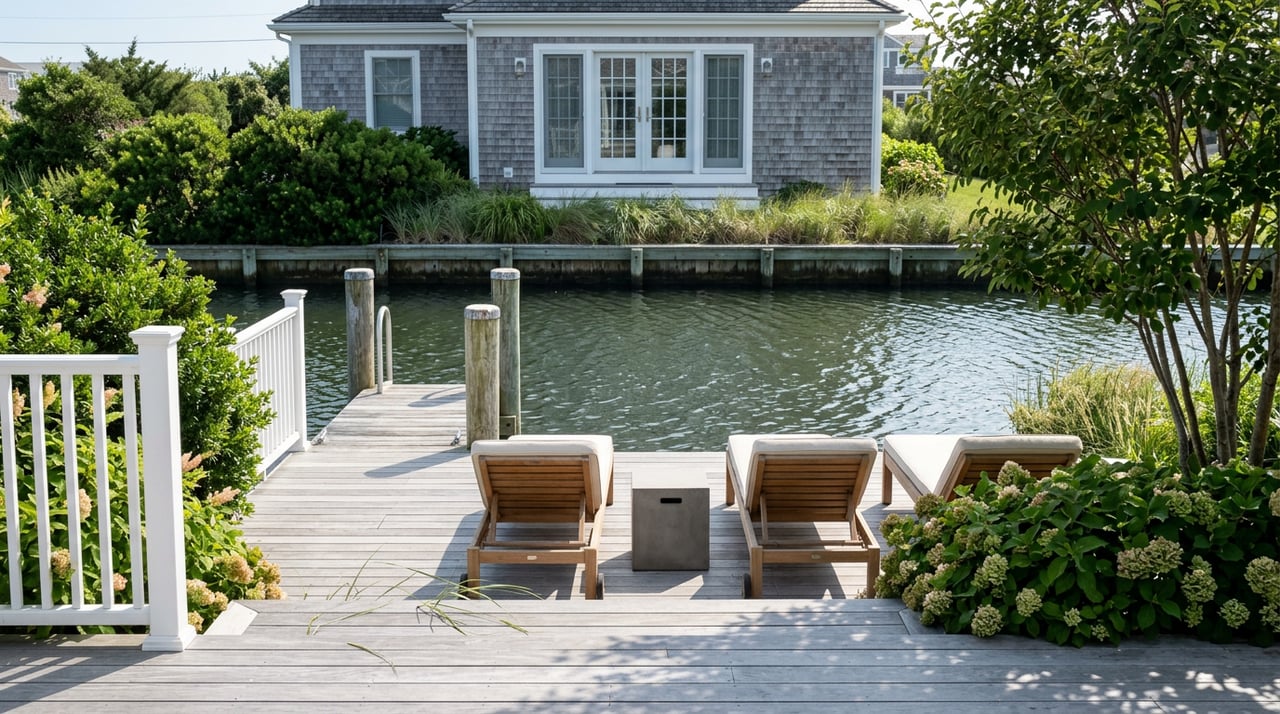
- Bayfront or bayside: Ideal for boating and calmer water activities. Expect property‑specific flood considerations and potential marina or mooring fees. Many buyers like the privacy and water views, plus easier maintenance than oceanfront.
- Dune Road and oceanfront: Direct access to the beach and iconic views. These homes often require elevated construction and can carry higher insurance premiums. Beach‑parking rules are a key factor for guests and tenants, so confirm pass eligibility before you buy.
Practical checks before you buy
Before you fall in love with a property, run these must‑checks to avoid surprises:
- Flood risk and insurance: Verify the property’s FEMA flood zone and request quotes for both NFIP and private flood insurance. Waterfront and Dune Road properties often carry higher premiums and mitigation requirements. Start with the FEMA Flood Map Service Center.
- Beach‑pass eligibility: Confirm how passes work for owners, guests, and tenants. If you plan to rent, review the Village’s landlord sticker transfer process and seasonal dates on the Village services page.
- Short‑term rental rules: The Town of Southampton requires rental permits and enforces a 14‑day minimum stay in many areas. The Village also has a summer rental application process. Read the Town’s rental permit FAQ and find the forms and applications you will need.
- Commute test: Try your door‑to‑door Friday and Sunday travel during peak season and check LIRR schedules in the TrainTime app. A real‑world test is the best way to set expectations.
- Carrying costs: Ask for recent property tax bills, utility statements, insurance policies, and any HOA or marina fees. These shape your true monthly budget.
Carrying costs and logistics, in brief
Expect annual property taxes that vary by Southampton tax and school districts. Insurance, including flood where applicable, should be priced with quotes early in your search. Add landscaping, cleaning, and seasonal maintenance. If you plan to arrive by air at Long Island MacArthur Airport, budget 30 to 50 minutes by car to reach Westhampton Beach, depending on routing and traffic.
Next steps for a smart search
- Visit twice: come once in peak summer and once in the shoulder season to see village pace, crowd levels, and traffic.
- Get micro‑market comps: request a custom set of recent sales for the village, bayside streets, or Dune Road so you can compare true like‑for‑like homes.
- Pull the flood map: generate a property‑specific FIRMette on the FEMA Flood Map Service Center and get preliminary insurance quotes.
- Confirm rental viability: if rental income matters, read the Town’s rental permit FAQ and download needed forms and applications. Align your plan with the 14‑day minimum stay rules where they apply.
Ready to explore Westhampton Beach with a clear plan? Connect with Marie Catanzano for local guidance, tailored comps, and a streamlined path to the right second home.
FAQs
How far is Westhampton Beach from NYC and how long is the trip?
- It is about 78 miles from midtown Manhattan, and the drive typically takes around 2 hours, with longer times on peak summer weekends; LIRR service is available, with seasonal express options historically offering faster runs.
Do I need a permit to rent my Westhampton Beach home?
- Yes; the Town of Southampton requires rental permits and enforces a 14‑day minimum stay in many areas, and the Village has a summer rental application; check the Town’s rental permit FAQ and forms for current rules.
How do beach passes work for owners and tenants in the Village?
- The Village issues seasonal beach and parking stickers, and landlords who rent must follow specific transfer rules and timelines; review details on the Village services page before you buy or list your property.
What home types are common and what budgets should I expect?
- You will see renovated cottages near the village, bayside houses, raised coastal homes on Dune Road, and some shingle‑style or modern builds; inland cottages can start in the lower seven figures, while waterfront and turnkey homes often reach multi‑million prices, with market medians varying by source and season.
How should I evaluate flood risk for a Dune Road or bayfront property?
- Start with the FEMA Flood Map Service Center to confirm the property’s zone, then obtain NFIP and private flood‑insurance quotes; expect higher premiums and elevation requirements in many waterfront areas.