If you are preparing to sell a luxury home in Southampton, staging is not just a finishing touch. In a market where presentation, lifestyle, and first impressions carry real weight, the way your home looks online and in person can shape how buyers respond from the start. The good news is that the right staging strategy does not mean overdecorating. It means helping your property feel polished, authentic, and ready to enjoy. Let’s dive in.
Why staging matters in Southampton
Southampton has a distinct market identity. The town is a seasonal resort area on Long Island’s South Fork, and its summer population can rise to more than double its year-round size. Tourism and vacation-home ownership are major parts of the local economy, which means many buyers are not just shopping for square footage. They are also buying into a lifestyle.
That context matters when you prepare a luxury listing. In the Hamptons sales overview for the first quarter of 2026, the median sales price reached $2,412,500 and the average sales price reached $4,257,787. The same report noted that 21.2% of sales were above $5 million, while inventory remained below typical pre-pandemic levels.
In a high-value market like this, buyers expect a home to feel move-in ready and visually cohesive. Staging helps your listing deliver that feeling right away. For many Southampton properties, the goal is not to make the home look decorated. The goal is to make it feel effortless, elevated, and easy to imagine enjoying from day one.
Match the home to Southampton style
One of the biggest staging mistakes in luxury real estate is forcing a generic look onto a home that already has strong character. Southampton has a deep architectural identity, and that local sense of place is part of what buyers respond to.
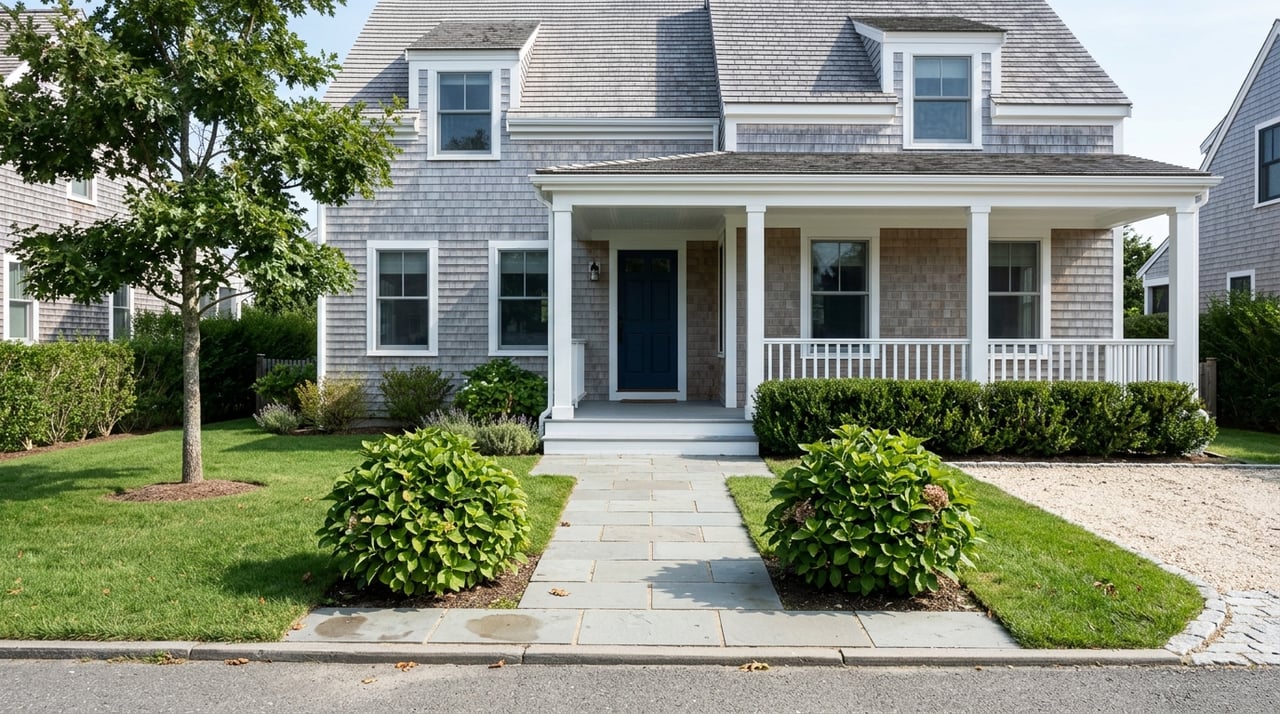
The town describes its historic and cultural past as central to its identity, economy, and appeal as a second-home destination. Historic documentation also points to local building traditions shaped by wood shingles, clapboard, prominent gables and gambrel roofs, plus Shingle and Colonial Revival influences. Later resort-era estates introduced styles such as Georgian Revival, Jacobethan Revival, and Spanish Colonial Revival.
What does that mean for staging? Usually, the best approach is restrained and intentional. Think natural textures, calm color palettes, and furnishings that fit the scale of the home. In most luxury Southampton listings, busy patterns, heavy styling, and obvious nautical props distract more than they help.
Your staging should support the architecture, not compete with it. A shingle-style home often benefits from soft neutrals, layered texture, and classic forms. A larger estate may need furnishings with more visual weight so rooms feel balanced rather than sparse.
Focus on the rooms buyers notice first
When sellers have limited time or budget, it helps to know where staging will have the biggest effect. According to the National Association of Realtors 2023 Profile of Home Staging, buyers’ agents said the living room was the most important room to stage, followed by the primary bedroom and the kitchen.
That order makes sense in Southampton, but luxury listings often need one more category added to the top of the list: outdoor living spaces. In a town shaped by the Atlantic, Peconic bays, beaches, and seasonal entertaining, buyers pay close attention to how a property lives both inside and out.
Stage the living room around light and flow
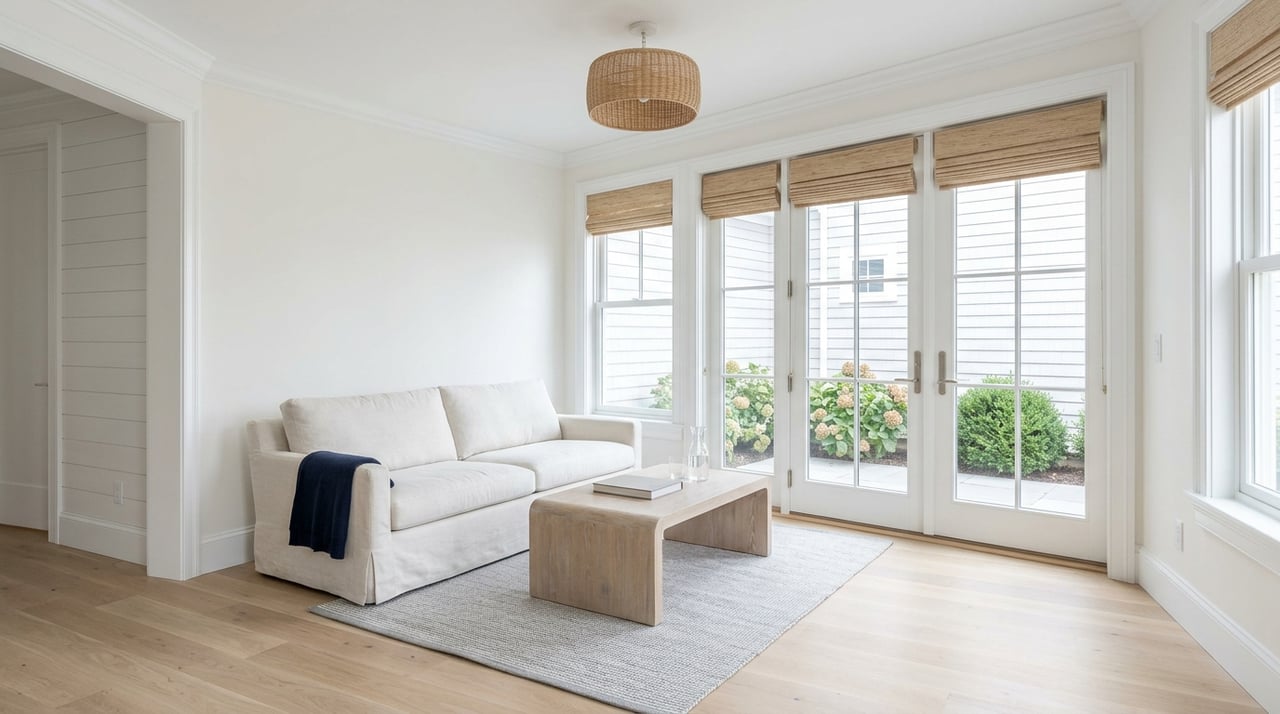
The living room often sets the tone for the whole showing. In luxury Southampton homes, this room should feel open, comfortable, and easy to move through.
Use seating that fits the scale of the space without overcrowding it. If the room has a water view, oversized windows, or a fireplace, make that the focal point. Furniture should guide the eye toward the home’s best features, not block them.
Keep the primary suite calm
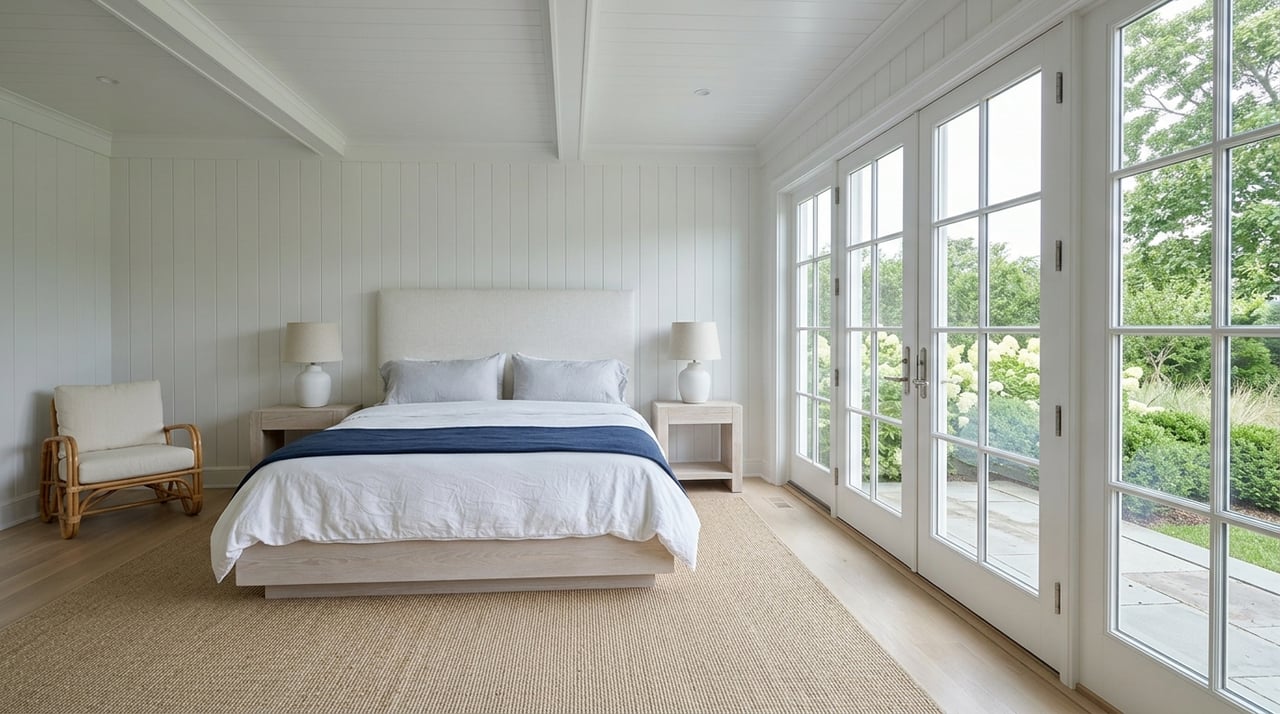
A luxury primary suite should feel like a private retreat. Buyers want to sense comfort, quiet, and ease.
Quality bedding, a simplified layout, and minimal personal items can go a long way. The room does not need a lot of accessories. It needs to feel spacious, restful, and polished.
Simplify the kitchen
In a high-end home, the kitchen should read as functional and refined. Clear the counters, reduce small appliances, and keep accessories minimal.
If the finishes are strong, let them speak for themselves. Luxury buyers usually respond better to clean surfaces and visual calm than to heavily styled vignettes. The space should feel ready for everyday use and effortless entertaining.
Define dining and entertaining areas
Dining rooms, breakfast areas, and secondary gathering spaces should help buyers understand how the home works. Even if these rooms are not used every day, they should feel intentional.
A simple table setting, balanced seating, and good lighting can help create that clarity. Avoid themes or seasonal decor. You want the space to suggest gatherings naturally, not feel staged for a photo set.
Treat outdoor spaces like real rooms
Outdoor areas deserve just as much attention as interior rooms in Southampton. Terraces, porches, pools, lawns, docks, and view corridors often influence buyer perception in a major way.
These spaces should feel usable, maintained, and connected to the lifestyle the property offers. Seating areas should look inviting. Sightlines should feel open. If there is a view, staging should frame it rather than compete with it.
Start with condition before decor
If you want the best return on your staging budget, focus first on condition. The same NAR guidance notes that agents commonly recommend decluttering and fixing property faults before adding more decorative elements. Professional cleaning, painting, carpet cleaning, and landscaping are also common preparation steps.
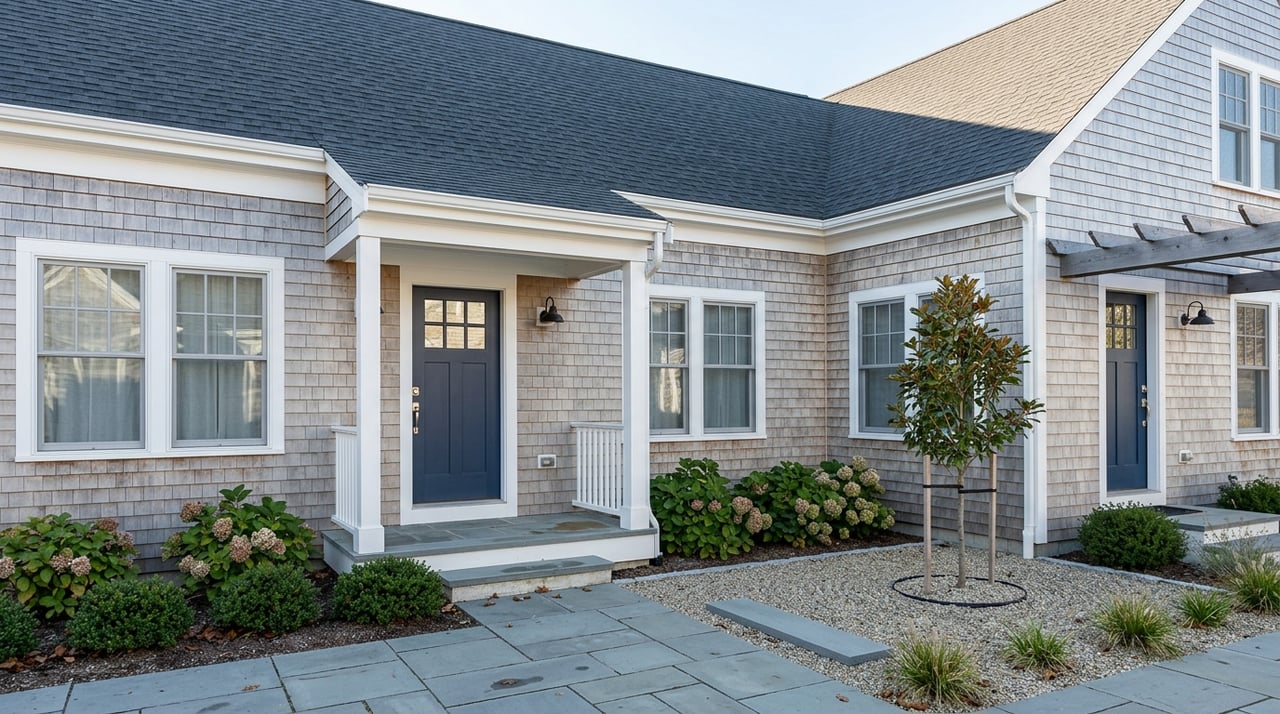
That advice is especially important in the luxury tier. Buyers at this price point are quick to notice deferred maintenance, worn finishes, and visual noise. Fresh paint, crisp landscaping, a clean entry, and uncluttered storage often do more for value perception than extra accessories ever could.
A smart prep hierarchy for a Southampton luxury listing usually looks like this:
- Declutter and pack out what you do not need.
- Deep clean every room and surface.
- Repair visible issues and refresh paint where needed.
- Improve curb appeal and outdoor maintenance.
- Stage key rooms and outdoor living areas.
- Capture the finished result with professional media.
This is where concierge-level listing support can make a real difference. A thoughtful plan for staging, painting, packing, and curb appeal helps reduce stress while keeping the presentation consistent from room to room.
Make staging work for photography and video
In luxury real estate, staging and marketing should never be treated as separate steps. They work best when they are planned together.
NAR found that buyers’ agents rated photos and videos as highly important, with photos leading the way. The same research supports the idea that buyers who see a staged home online are more willing to schedule an in-person walkthrough.
That has clear value in Southampton. Because the area is a seasonal and second-home market, many buyers may be remote, short on time, or making early decisions based on digital presentation. Your home needs to look strong in still photography, video, and virtual tours before a buyer ever sets foot on the property.
What strong digital presentation looks like
For a luxury Southampton listing, media should highlight:
- Natural light
- Room flow
- Ceiling height and scale
- Water or garden views
- Outdoor entertaining areas
- Architectural details that feel true to the home
The key is believability. Luxury staging should feel aspirational, but not misleading. NAR also found that many respondents felt home-buying shows have created unrealistic expectations, so the best presentation is polished without feeling artificial.
Respect the home’s architecture and setting
Southampton buyers often respond to homes that feel rooted in the area. That means staging should protect what is already valuable: architecture, scale, light, privacy, and the easy rhythm of Hamptons living.
If your home is traditional, let it feel classic rather than trendy. If it is more contemporary, keep the presentation clean and warm rather than stark. The common thread is restraint.
When the staging matches the architecture, rooms feel more expensive and more memorable. Buyers are more likely to remember the experience of the home itself, which is exactly what you want.
Be careful with exterior changes in historic areas
Some Southampton properties are located in designated historic districts or landmark areas. In those cases, the town requires a Certificate of Appropriateness for certain exterior alterations, restorations, reconstruction, demolition, new construction, or visible material changes to elements such as light fixtures, signs, sidewalks, fences, steps, or paving.
If your staging plan includes any visible exterior element that changes how the property presents from the street, it is wise to check those rules carefully first. Even small changes can require review depending on the property and location. Thoughtful coordination helps you avoid delays and keeps your preparation on track.
The goal: turnkey, polished, and true
The best staging strategies for luxury Southampton listings are usually the least forced. They do not rely on too many accessories or a one-size-fits-all coastal formula. Instead, they create a clear, elevated version of how the home is meant to live.
In this market, that often means emphasizing space, comfort, light, outdoor living, and architectural authenticity. When buyers can see those qualities immediately, your home feels easier to value and easier to want.
If you are getting ready to sell in Southampton, the right guidance can help you focus your budget where it counts most. From pre-market prep to staging, painting, packing, curb appeal, and polished digital presentation, Marie Catanzano offers the hands-on, boutique support that helps luxury listings stand out.
FAQs
What rooms matter most when staging a luxury Southampton home?
- The top priorities are usually the living room, primary suite, kitchen, dining or entertaining spaces, and outdoor living areas.
Why is outdoor staging so important for Southampton listings?
- Southampton is a seasonal resort market shaped by beaches, bays, and lifestyle-driven buying, so patios, porches, pools, docks, and view corridors often have a strong impact on buyer interest.
Should a luxury Southampton home use a coastal staging theme?
- Usually, a better approach is subtle and architecture-driven, with natural textures, calm colors, and furnishings that fit the home rather than obvious nautical decor.
What should sellers fix before staging a Southampton listing?
- Decluttering, deep cleaning, repairs, paint touch-ups, and landscaping should usually come before decorative staging because condition strongly affects luxury buyer perception.
Do historic district rules affect staging for Southampton homes?
- They can if exterior staging changes visible elements of a property located in a designated historic district or landmark area, so it is important to verify town requirements before making those changes.