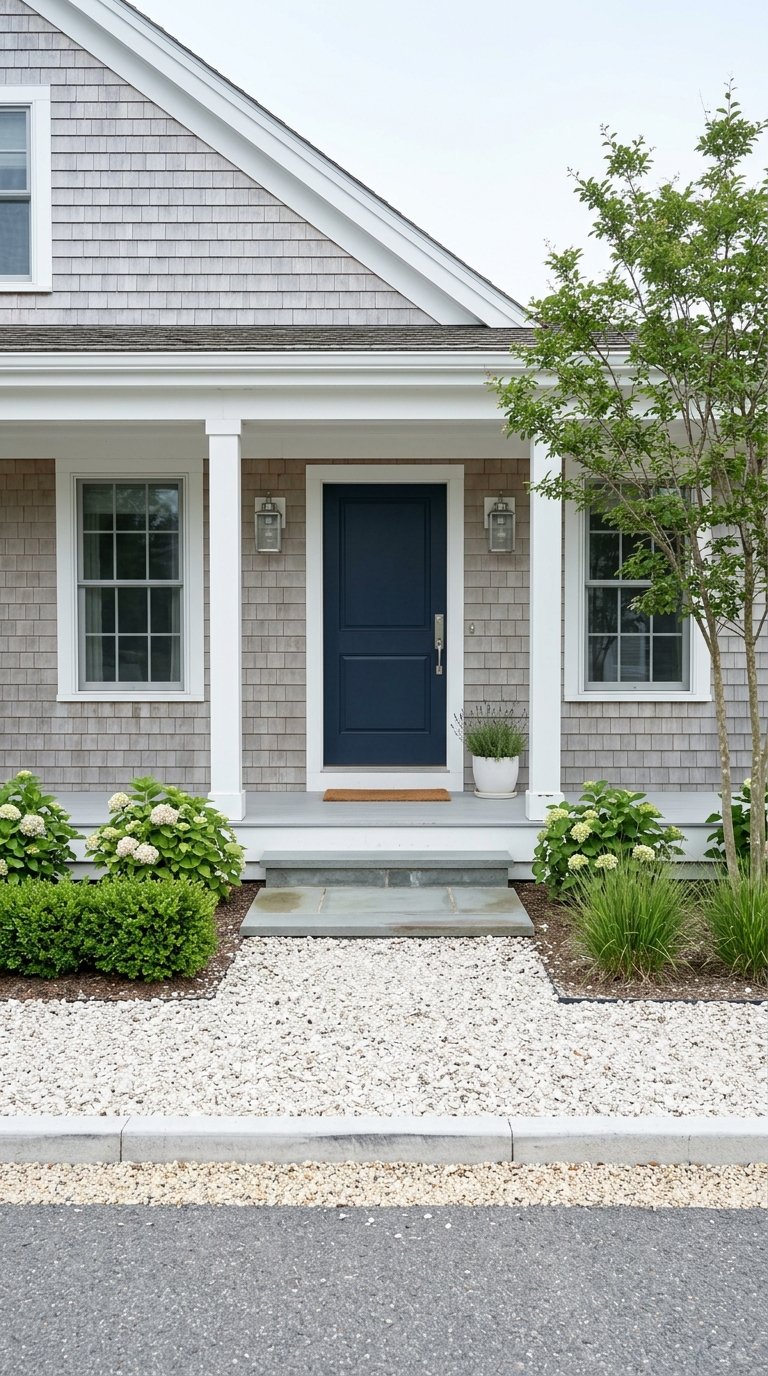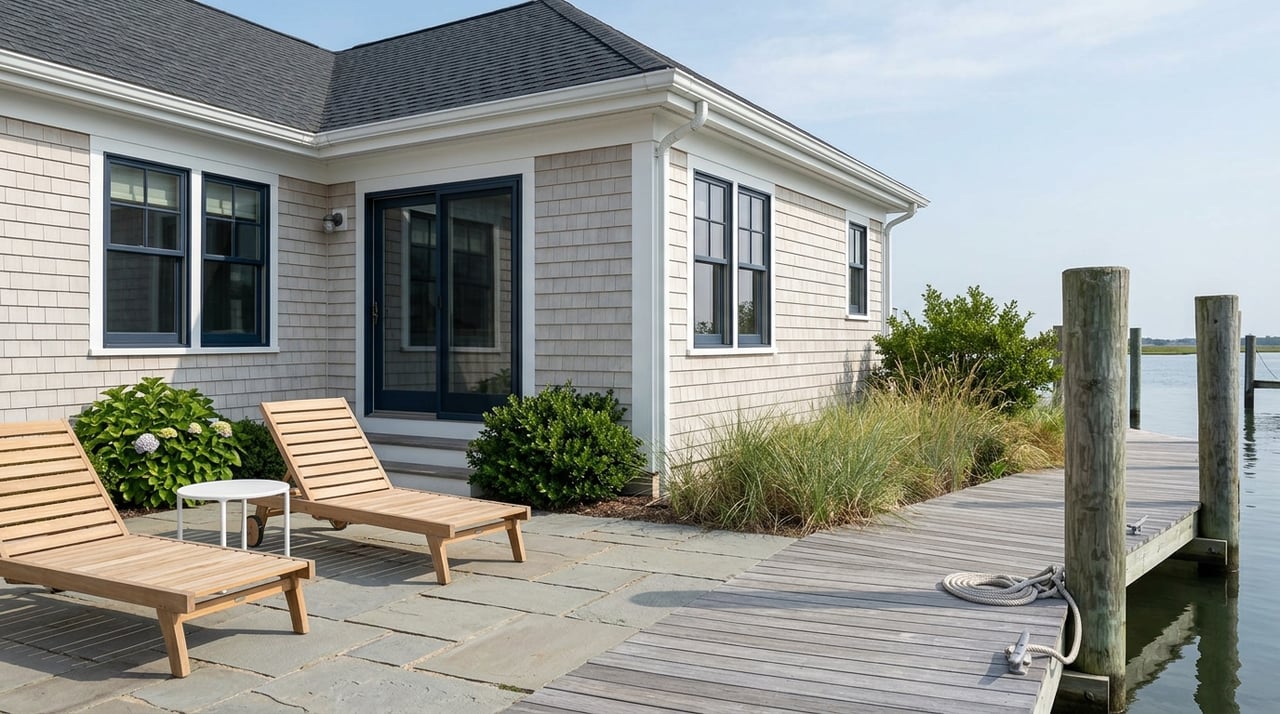
If your idea of Hamptons waterfront living includes boats, bay access, beach days, and a real year-round community, Hampton Bays deserves a closer look. This is not a one-note marina village or a polished harbor enclave. Instead, Hampton Bays offers a more layered waterfront lifestyle built around the canal, the bays, public marine access, and everyday convenience. Let’s dive in.
Why Hampton Bays Feels Different
Hampton Bays is a hamlet in the Town of Southampton on Long Island’s South Fork, set between Peconic Bay to the north and Shinnecock Bay, Tiana Bay, the barrier beach island, and the Atlantic Ocean to the south. Town materials place it about 80 miles from New York City, which helps explain its long appeal for both weekend buyers and year-round residents.
What stands out most is how the waterfront works here. Hampton Bays is not centered on one compact harbor district. Instead, the lifestyle is spread across multiple access points, from canal-side parks and marine facilities to beaches, launch points, and fishing areas.
The Shinnecock Canal plays a major role in that identity. The Town of Southampton describes it as the heart of the summer resort area because it connects vessels between the Atlantic Ocean and Great Peconic Bay. It is also Long Island’s only operating navigational lock system.
Marina Living Here Is About Access
When people picture marina and bayfront living in Hampton Bays, it helps to think beyond private slips and yacht-club imagery. Much of the waterfront experience is organized around public facilities, permits, and seasonal access. That structure gives the area a practical, active feel that many buyers appreciate.
Southampton Town’s marina and parks system includes several Hampton Bays area facilities, including the Shinnecock Commercial Fishing Dock, Tiana Bayside Recreational Facility, Maritime Park on the Shinnecock Canal, and Old Ponquogue Bridge Marine Park. Many of these use permit or lottery systems, which reflects how popular and seasonal waterfront access can be.
For you as a buyer, that means the lifestyle is often less about stepping into a single marina district and more about knowing how the local waterfront network fits your routine. If you like variety and flexibility, that can be a real advantage.
The Canal and Inlet Shape Daily Life
The canal and inlet are more than scenic backdrops. They help define how people use the water here, whether that means boating, fishing, beach access, or moving between bay and ocean.
Town planning materials note that Shinnecock Inlet is a popular destination for both commercial and sport fishing. The local port is also identified as the second-busiest commercial fishing port in New York State, which gives Hampton Bays a working-waterfront character that still feels authentic.
That balance matters. In Hampton Bays, waterfront living often feels grounded and active rather than overly curated. For many buyers, that mix is exactly the draw.
Public Waterfront Spots That Matter
Several local facilities help bring the bayfront lifestyle into focus. These are the places that show how boating, recreation, and shoreline access come together in Hampton Bays.
Tiana Bayside Recreational Facility
Tiana Bayside Recreational Facility is one of the clearest examples of family-friendly waterfront use in Hampton Bays. According to the town, it offers boat tie-up for boats up to 25 feet and weekend daytime docking for access to Tiana Beach.
The site is also the town’s main location for swimming lessons, sailing, kayaking, and windsurfing instruction. It even includes an oyster gardening program. The town notes that the waterfront here is unprotected and not lifeguarded, so it is important to understand how you plan to use it.
Old Ponquogue Bridge Marine Park
If your version of waterfront living includes launching a boat, fishing, or spending time outdoors near the water, Old Ponquogue Bridge Marine Park is worth knowing. The town says it is open year-round and offers a boat launch, fishing access, scuba diving, birdwatching, parking, picnic areas, and a water-and-wetland overlook.
During the summer season, permits are needed. That seasonal management is a recurring theme in Hampton Bays and part of what keeps these public-access spaces functional during peak months.
Beaches That Support the Lifestyle
Ponquogue Beach and Tiana Beach are part of the rhythm of life here, even if you are focused more on the bays than the ocean. Town materials describe Ponquogue Beach as a popular family destination with oceanfront access and summer parking.
Tiana Beach offers more than 1,000 feet of shorefront along with lifeguard protection, a concession stand, picnic seating, and large parking capacity. The town’s permit system includes resident, non-resident, and daily permit options for several local beach and marine-access facilities.
What Homes Near the Water Tend to Look Like
The housing stock in Hampton Bays helps explain why the area appeals to a wide range of waterfront buyers. Town documents describe residential areas with a variety of lot sizes, homes set back from the street, ample yards, established trees, and narrow streets.
North of Montauk Highway, neighborhoods become more wooded and less visible from the road. That can create a quieter, more tucked-away feel, even within a community known for its access to the water.
The town profile reports that 82.6 percent of housing units are single-family, 66.4 percent are owner-occupied, and 29.7 percent are occupied seasonally. Those numbers point to a market shaped by detached homes, year-round ownership, and a meaningful seasonal-home presence.
A Mix of Year-Round and Seasonal Use
Bedroom-count data also supports that varied housing picture. The town reports that 23.7 percent of homes have four or more bedrooms, 38.5 percent have three bedrooms, and 22.4 percent have two bedrooms.
In practical terms, that suggests you will find a mix of larger homes, classic single-family properties, and smaller seasonal residences. Some buyers are looking for a full-time home base with access to water and downtown services. Others are focused on a second-home retreat tied to boating, beach use, and summer living.
Barrier-Island Living Adds Another Option
The waterfront story in Hampton Bays also includes the barrier island south of Shinnecock Bay. The town’s 2024 pattern book notes that Hampton Bays has almost four miles of public oceanfront and remains closely tied to the water, beach roads, and the canal.
For buyers, that creates a distinct split in lifestyle options. Some homes feel beach-first and weekend-oriented, while others are more connected to the inland hamlet center and its year-round routines.
Everyday Life Beyond the Water
A strong waterfront lifestyle works best when daily life is manageable, and Hampton Bays has that balance. The town’s local profile says Montauk Highway carries a mix of grocery stores, restaurants and eateries, and convenience stores, which helps support everyday living beyond the summer season.
Good Ground Park adds another year-round anchor. The park offers dawn-to-dusk access, trails, amphitheater seating, playground space, and regular community events. It gives Hampton Bays a civic center that complements its marine and beach identity.
For commuting or occasional city access, the hamlet also has a Long Island Rail Road station in the downtown core. Town materials note that the station connects with Suffolk County Transit, and MTA information describes accessibility features including a ramp, tactile warning strips, audiovisual passenger information systems, and ticket machines.
Who Marina and Bayfront Living Fits Best
Hampton Bays is especially compelling if you want waterfront living that feels active and usable rather than formal. It is a strong fit for boaters, anglers, beach-oriented second-home buyers, and households that want a recreation-focused home base with access to a real community.
It can also work well if you want a year-round home with waterfront benefits and some transit access. At the same time, it helps to be realistic about the layout. Town planning documents describe the street grid as disjointed and the area as auto-dependent, even as local planning efforts aim to improve walkability in the downtown.
So if you want to walk everywhere from a dense harbor village, Hampton Bays may not be the perfect match. If you are comfortable driving between home, the beach, marine access points, and dinner spots, the lifestyle can be a great fit.
What Buyers Should Keep in Mind
If you are exploring marina and bayfront living in Hampton Bays, it helps to focus on how you actually want to live day to day. Start with the basics:
- Do you want quick access to boating facilities or beach access
- Are you looking for a year-round home or a seasonal retreat
- Do you prefer a tucked-away residential setting or proximity to downtown services
- Will public marine facilities and permit-based access meet your needs
- Do you want a home that feels bay-oriented, beach-oriented, or both
Those questions can quickly narrow your search and help you compare one part of Hampton Bays to another. In a market shaped by water access, seasonality, and multiple lifestyle pockets, clarity matters.
For sellers, this same nuance is important when positioning a home. A property here is not just about square footage or lot size. It is also about the kind of waterfront life it supports, whether that means canal proximity, marine-park access, beach convenience, or a more year-round residential feel.
If you are considering a move in or around Hampton Bays, working with someone who understands how buyers read these lifestyle differences can make the process much smoother. Marie Catanzano brings deep East End market knowledge and a boutique, high-touch approach that helps buyers and sellers navigate waterfront opportunities with confidence.
FAQs
What makes marina living in Hampton Bays different from other waterfront towns?
- Hampton Bays is organized around multiple public waterfront access points, beaches, canal areas, and marine parks rather than one compact marina district.
What public boating access is available in Hampton Bays?
- Southampton Town facilities in the area include places such as Tiana Bayside Recreational Facility and Old Ponquogue Bridge Marine Park, with some uses managed through permits or seasonal rules.
What is the Shinnecock Canal’s role in Hampton Bays?
- The Shinnecock Canal connects vessels between the Atlantic Ocean and Great Peconic Bay, and the Town of Southampton identifies it as a central part of the area’s waterfront identity.
What types of homes are common near the water in Hampton Bays?
- Town housing data shows a market dominated by single-family homes, with a mix of year-round residences and seasonally occupied properties.
Is Hampton Bays a good fit for year-round living?
- It can be, especially if you want waterfront access, everyday services along Montauk Highway, community amenities like Good Ground Park, and Long Island Rail Road access in the hamlet center.
Do Hampton Bays waterfront facilities require permits?
- Many local beach, boating, and marine-access facilities are managed with resident, non-resident, daily, seasonal, or summer permit systems depending on the site and use.