If you are deciding between a waterfront home and an in-town home in Hampton Bays, you are really choosing between two very different ways to live. One puts boating, beach days, and water views front and center. The other makes errands, train access, and a walkable daily routine easier. This guide will help you compare lifestyle, pricing, and practical ownership tradeoffs in Hampton Bays so you can narrow in on the right fit for your goals. Let’s dive in.
What “in-town” means in Hampton Bays
In Hampton Bays, “in-town” generally refers to the hamlet’s central business district and the Hampton Bays Downtown Overlay District. The Town of Southampton describes this area as the core pedestrian shopping and mixed-use center, with wide sidewalks, street trees, storefronts, and parking arranged to support a walkable public setting.
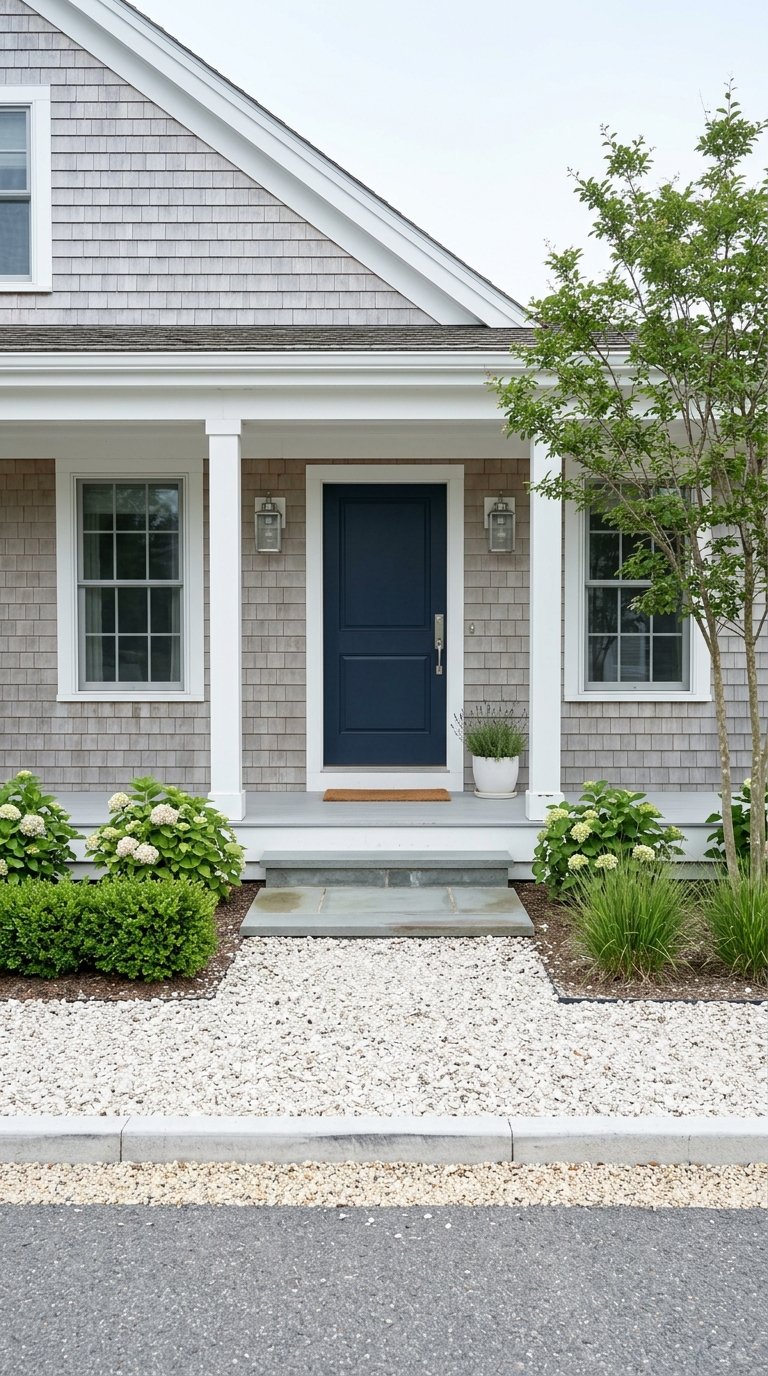
That matters because in-town living here is less about being far from the water and more about being close to everyday convenience. If you want easier access to local shops, restaurants, the train station, and connected pedestrian routes, this is typically the part of Hampton Bays buyers mean when they say they want to be near town.
Hampton Bays waterfront at a glance
Hampton Bays is uniquely shaped by water. The Town of Southampton says the hamlet spans about 18 square miles, is roughly 28 percent water, and has the greatest shoreline of any Southampton hamlet, bordered by Great Peconic Bay to the north and Shinnecock and Tiana bays to the south.
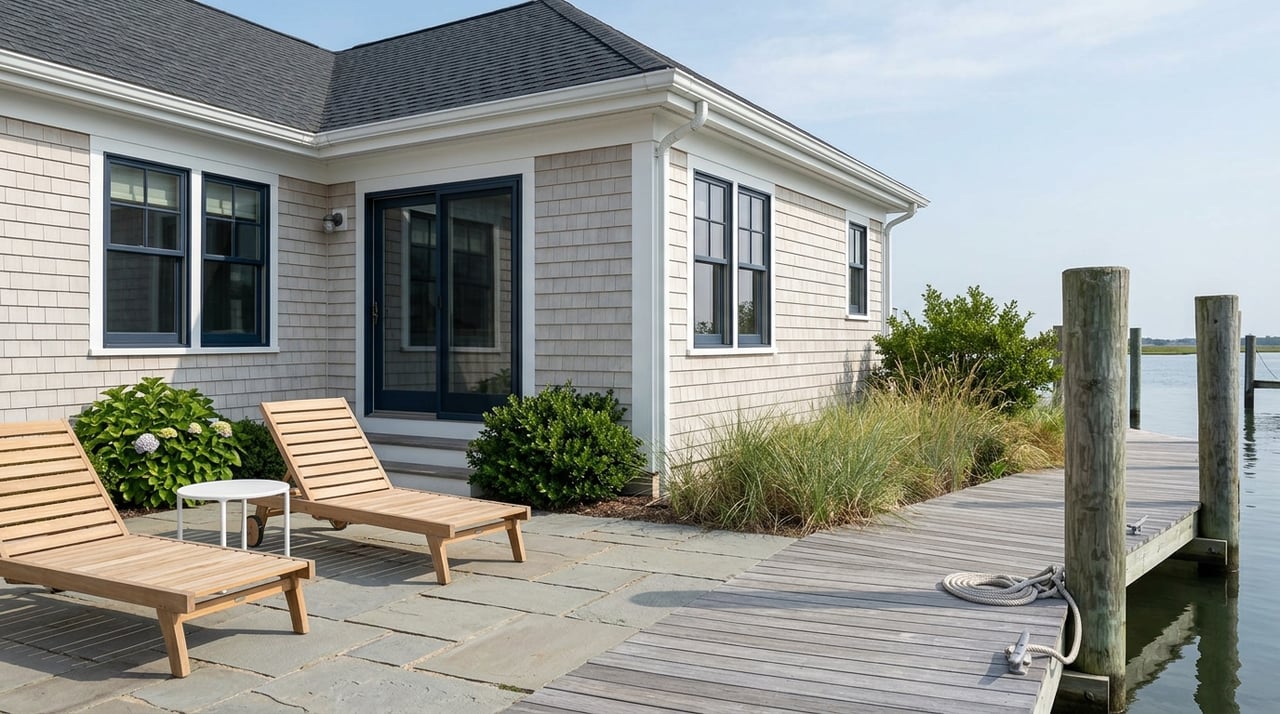
Because of that geography, waterfront living can take several forms. In Hampton Bays, that may include bayfront, canal-front, inlet-adjacent, or ocean-side properties. Each offers a different level of access, privacy, and exposure, but they all connect to the shoreline lifestyle that draws so many buyers to this part of the East End.
Lifestyle differences that shape your decision
Waterfront fits a beach-first lifestyle
If your ideal day includes launching a boat, kayaking, fishing, sailing, or heading to the beach, waterfront usually has the edge. Local public amenities reinforce that lifestyle. Suffolk County describes Shinnecock Canal Marina as a full-service marina with transient slips, sewage pump-out, restrooms and showers, water and electric hookups, plus nearby access to Meschutt Beach.
Old Ponquogue Bridge Marine Park adds a boat launch, fishing access, scuba diving, and a water-and-wetland overlook. Meschutt Beach offers supervised bathing on Great Peconic Bay, kayak rentals, and sailing and windsurfing areas. Ponquogue Beach adds another major oceanfront option with lifeguards, restrooms, showers, a concession stand, beach volleyball, accessible beach access, and more than 600 feet of oceanfront.
For many buyers, that kind of access is the point. You are not just buying a house. You are buying easier entry into a boating and beach routine that can define how you spend weekends, summers, and even the off-season.
In-town supports everyday convenience
In-town homes often appeal to buyers who want Hampton Bays to work well on a daily basis, not just on a sunny Saturday. Southampton’s downtown plan ties together the train station, Good Ground Park, retail, restaurants, and pedestrian and bicycle connections.
The MTA says the Hampton Bays Long Island Rail Road station is accessible, has ticket machines, and connects with Suffolk County Transit. That gives in-town living a practical advantage for commuting, errands, and car-light day-to-day routines. If you value being able to get things done with less planning, this side of the market may feel simpler and more efficient.
Access versus convenience
One of the clearest tradeoffs in Hampton Bays is direct water access versus central convenience. Waterfront homes often place you closer to marinas, beaches, canals, and shoreline recreation. In-town homes usually give you better proximity to the hamlet center and the transportation connections that support year-round use.
Neither option is better for everyone. The right choice depends on how you want to spend your time. If your home is meant to support a boating or beach-led lifestyle, waterfront may justify the higher cost and added due diligence. If you want easier errands, walkability, and transit access, in-town often checks more practical boxes.
Flood exposure and ownership considerations
Waterfront homes need more coastal due diligence
Waterfront ownership in Hampton Bays often comes with more flood and storm-related considerations. FEMA’s Flood Map Service Center is the official source for flood-zone determinations, and FEMA notes that flood insurance may be needed even outside high-risk zones. FEMA also notes that coastal properties can face additional building requirements related to waves, high velocity conditions, and storm surge.
In practical terms, that means a waterfront purchase usually calls for a closer review of flood maps, insurance costs, site conditions, and any water-adjacent improvements. This is especially important when a property includes features tied to shoreline use or sits in a more exposed location.
In-town areas may be less exposed
Southampton’s environmental review for the Hampton Bays Downtown Overlay District places the downtown area in FEMA X zone, outside Special Flood Hazard Areas. For buyers comparing a shoreline property with a hamlet-center home, that suggests the in-town option is generally less exposed to flood risk than many waterfront parcels.
That said, every property should still be checked individually. Flood exposure can vary by address, even within the same hamlet. A side-by-side comparison should always include flood-map review as part of the decision.
Maintenance and logistics differ more than buyers expect
The gap between waterfront and in-town ownership is not only about the home itself. It is also about the routine that comes with it. Waterfront buyers often need to think more about beach access, boat logistics, parking, seasonal use patterns, and the condition of water-adjacent features.
Those lifestyle details can be a plus if they match how you want to live. They can also add complexity if you are hoping for a lower-maintenance setup. In-town homes often trade some of the drama and recreation of the shoreline for a more streamlined ownership experience.
Price differences in today’s Hampton Bays market
Waterfront inventory commands a premium
Current market signals show that Hampton Bays waterfront homes sit at a premium. As of June 7, 2026, Redfin’s waterfront inventory page showed 32 waterfront homes for sale with a median listing price of $1.2 million. The examples ranged from a $499,000 waterfront condo to a $7.495 million estate.
That spread tells you two things. First, there are entry points into waterfront ownership, especially in attached or smaller formats. Second, true high-end waterfront continues to occupy a very different pricing tier from the broader market.
The broader market offers more range
The overall Hampton Bays market is also elevated, but below the waterfront median. Redfin reported a median sale price of $960,144 in April 2026, while Zillow reported a typical home value of $937,304 and a median list price of $1,204,166 as of April 30, 2026.
Representative non-waterfront listings showed a lower and wider entry range, including a $315,000 condo on Rampasture Road, $599,000 homes on Sherman Avenue and Coolidge Road, an $865,000 home on Liberty Street, and a $987,500 home on Maryland Boulevard. There were also higher-end inland or near-town listings above $1 million.
What the numbers really suggest
The takeaway is not just that waterfront is more expensive. It is that waterfront often sits in a separate inventory category shaped by scarcity, frontage, and direct access. In-town and non-waterfront homes usually offer more flexibility across price points, which can give buyers more room to balance budget with location priorities.
A middle-ground option worth considering
Not every buyer needs full waterfront frontage to enjoy the Hampton Bays lifestyle. A near-water or water-view home can create a strong middle path. Current inventory includes properties described as water views, canal-front, beach access, and waterfront homes at several price points.
That can be an appealing compromise if you want some connection to the shoreline without paying top-tier waterfront pricing. For many buyers, this category offers the best balance between access, cost, and ownership complexity.
Which type of home fits you best?
If you are still weighing the two, this quick framework can help.
Waterfront may fit best if you:
- Prioritize boating, beach time, fishing, kayaking, or sailing
- Want views and a lifestyle centered on the water
- Are comfortable with a higher purchase price
- Understand that flood, insurance, and site due diligence may be more involved
- See your home as a place for entertaining and waterfront living first
In-town may fit best if you:
- Want easier access to shops, restaurants, and the hamlet center
- Value train access and connected transit options
- Prefer a more walkable, day-to-day routine
- Want a home that may involve fewer coastal ownership variables
- Need Hampton Bays to function well as a year-round base
How to make a smart comparison
When you tour homes in Hampton Bays, try to compare more than square footage and finishes. Think about how each location supports your daily routine, your seasonal plans, and the kind of ownership experience you want over time.
A waterfront property may deliver the exact coastal lifestyle you have in mind, but it can also come with higher costs and more moving parts. An in-town home may feel less dramatic at first glance, yet offer the convenience and flexibility that make it a better long-term match. The best choice is the one that aligns with how you actually plan to live.
If you are sorting through Hampton Bays options and want guidance tailored to your goals, price point, and lifestyle, Marie Catanzano can help you compare properties with clear local insight and a personalized approach.
FAQs
What does in-town mean in Hampton Bays real estate?
- In Hampton Bays, in-town generally refers to the central business district and Downtown Overlay District, which the Town of Southampton describes as the hamlet’s walkable shopping and mixed-use core.
Are Hampton Bays waterfront homes more expensive than in-town homes?
- Generally, yes. Current market data shows Hampton Bays waterfront inventory carrying a premium, with a median listing price of $1.2 million as of June 7, 2026, above broader market median figures.
Is flood risk different for Hampton Bays waterfront and in-town homes?
- Yes. Waterfront homes often require more flood and storm-related due diligence, while Southampton’s environmental review places the downtown overlay area in FEMA X zone, outside Special Flood Hazard Areas, though each address should still be checked individually.
What lifestyle is best suited to a Hampton Bays waterfront home?
- A waterfront home usually fits buyers who want direct access to boating, beaches, fishing, kayaking, sailing, views, and a more shoreline-centered lifestyle.
What lifestyle is best suited to an in-town Hampton Bays home?
- An in-town home often fits buyers who prioritize walkability, train access, errands, restaurants, and a simpler day-to-day routine in the hamlet center.
Are there alternatives between full waterfront and in-town homes in Hampton Bays?
- Yes. Near-water, water-view, canal-front, and beach-access properties can offer a middle-ground option for buyers who want shoreline access without committing to full waterfront pricing or exposure.