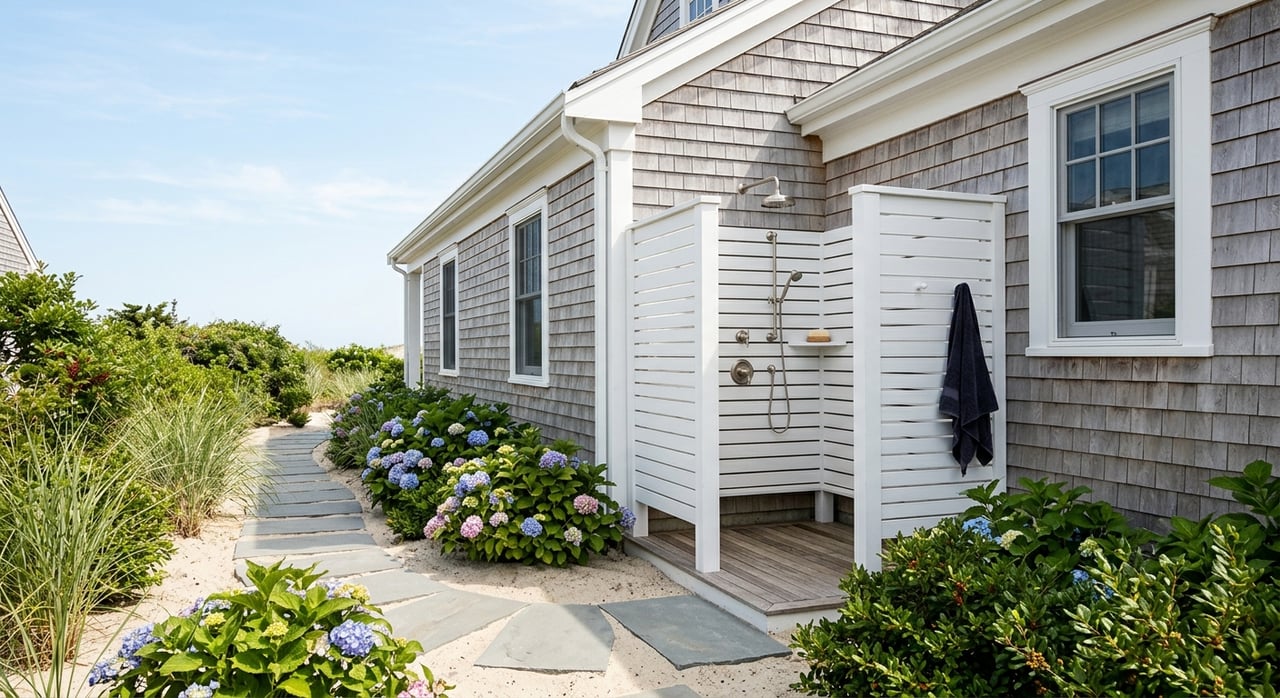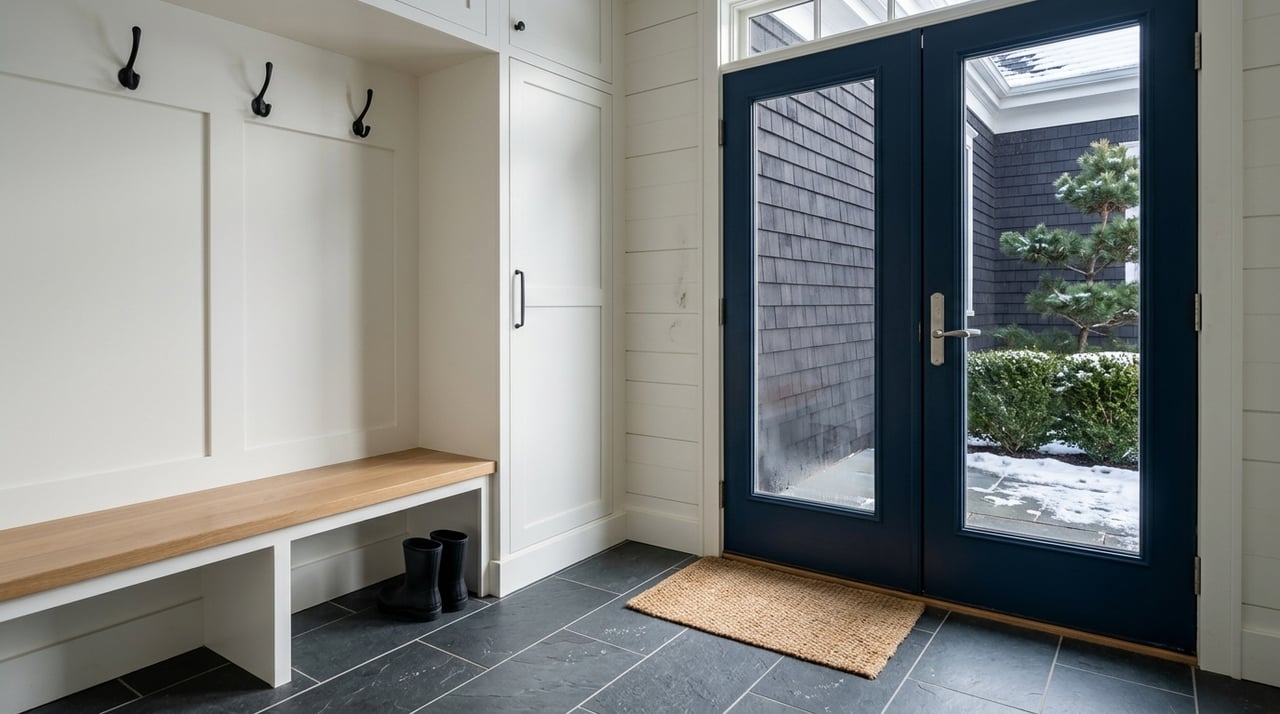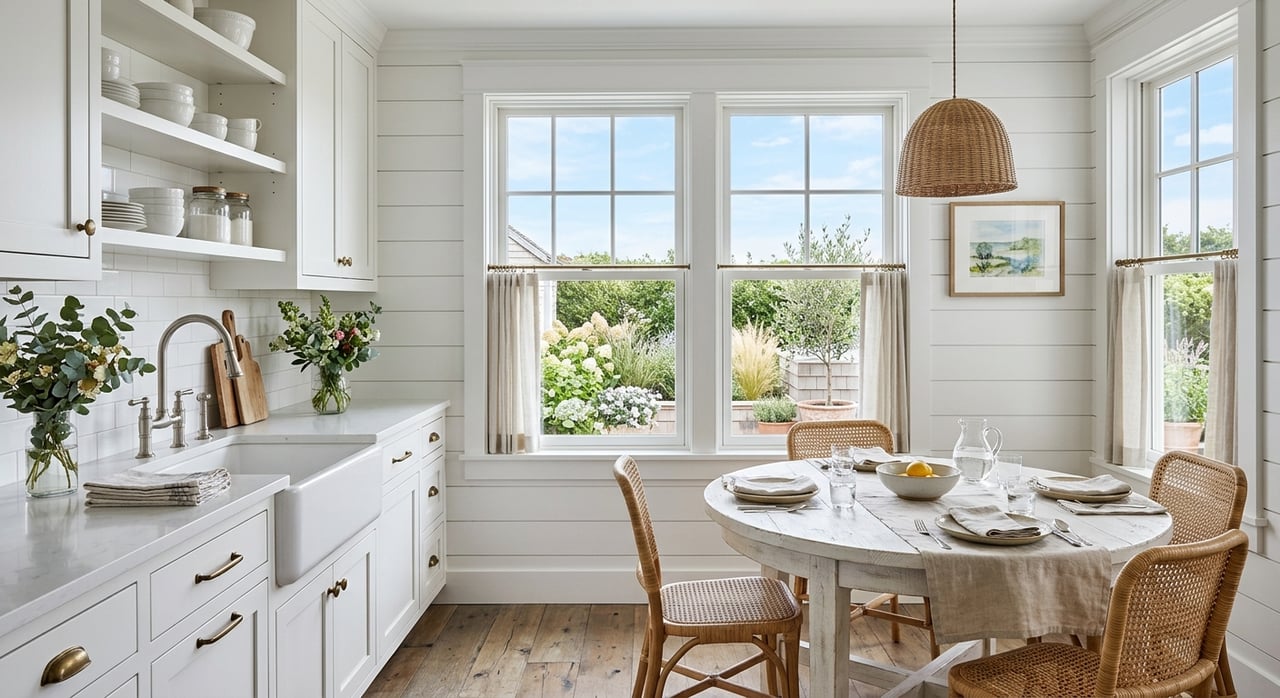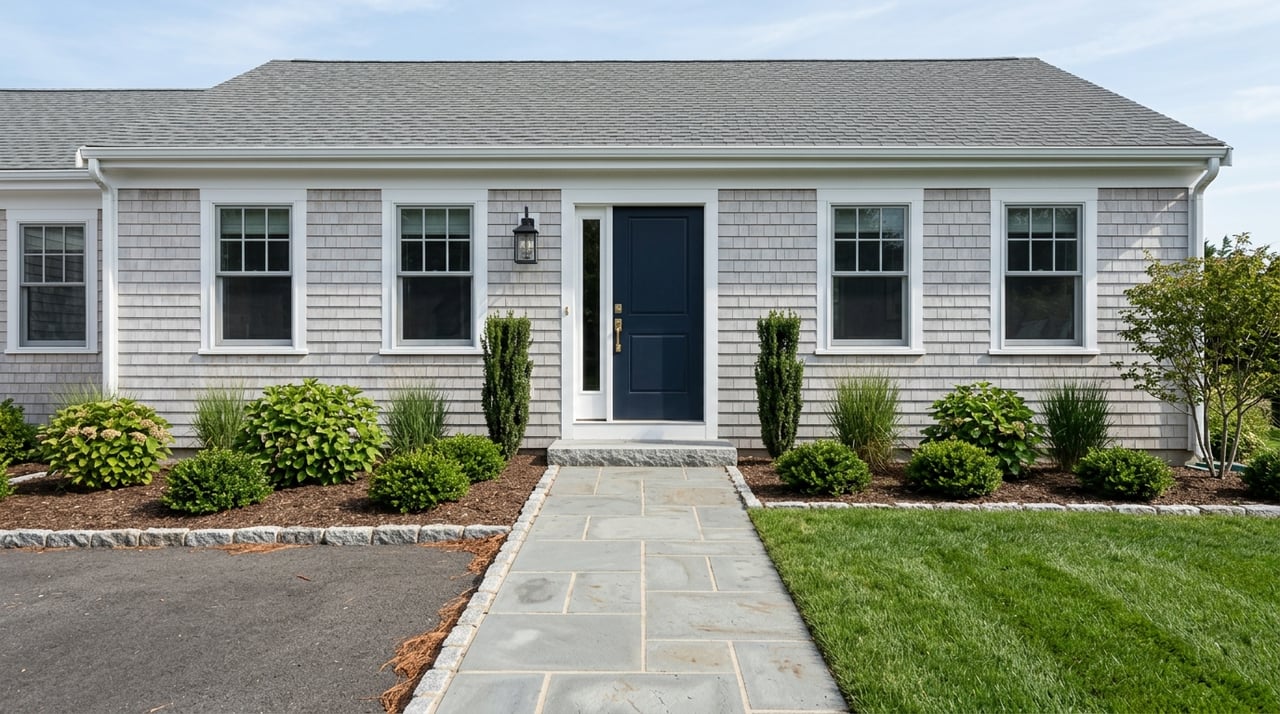
If you want to sell well in Hampton Bays, listing your home before it is truly ready can cost you time and leverage. Buyers are still active, but recent market snapshots suggest homes are not flying off the shelf overnight, which means condition, presentation, and pricing work together more than ever. A thoughtful pre-listing plan can help your home show better, photograph better, and feel easier to buy. Let’s look at the prep steps that can make a real difference before your listing goes live.
Why pre-listing prep matters in Hampton Bays
In spring 2026, Hampton Bays remained an active market, but not an instant one. Recent data showed homes taking roughly 64 to 92 days to move through the market, depending on the source, while the sale-to-list ratio sat around 97% and average sale prices came in below asking in March 2026. That tells you one important thing: buyers are watching value closely.
When buyers have options, presentation matters. Staging research supports that point, with 83% of buyers' agents saying staging helps buyers picture the property as their future home, 49% of sellers' agents saying it reduced time on market, and 29% reporting it increased the dollar value offered by 1% to 10%. In a market like Hampton Bays, strong prep can help you compete on both speed and price.
Start with the rooms buyers notice first
Your first goal is simple: make your home feel clean, spacious, and move-in ready. That applies to photos, private showings, and open houses. Even small visual distractions can make a home feel busier, smaller, or more work-intensive than it really is.
Focus first on the areas where buyers tend to pause longest, like the kitchen, bathrooms, living spaces, and primary bedroom. These spaces shape the overall impression of the property. If they feel bright, orderly, and well-maintained, the rest of the home usually benefits too.
Declutter to create space
Decluttering is one of the highest-impact steps you can take before listing. Clear off countertops, reduce extra furniture, tidy closets, and pack away seasonal gear. The goal is not to erase personality completely, but to help buyers see the size and function of each room more clearly.
Personal photos and highly specific decor should also be packed away early. Buyers connect more easily when they can imagine their own furniture, routines, and style in the space. That mental connection often starts online, long before they schedule a showing.
Deep clean every visible surface
A standard weekly cleaning is usually not enough before listing. Kitchens, bathrooms, floors, windows, and baseboards deserve extra attention. Clean glass, polished fixtures, and fresh-smelling rooms all signal care.
Lighting matters too. Replace burned-out bulbs and make sure each room is evenly lit. Bright, consistent lighting helps your home look better in person and in listing photography.
Fix small issues before buyers see them
Minor defects can create an outsized impression. Loose hardware, dripping faucets, scuffed paint, worn caulk, and sticky doors may seem manageable when you live there, but buyers often read them as signs of deferred maintenance.
Touching up paint in neutral tones can also freshen the whole home without a major renovation. The same goes for correcting small cosmetic flaws that show up clearly in close-up photos. If a buyer notices several little problems at once, they may start assuming there are bigger ones behind them.
Use staging to support the lifestyle story
In Hampton Bays, many buyers are drawn not only to square footage, but also to how a home feels. That is especially true for coastal and lifestyle-oriented properties, where buyers may be imagining weekends, entertaining, or a move-in-ready second home. Staging helps turn those ideas into something visual and immediate.
If your home is vacant or only lightly furnished, staging or partial staging can be especially useful. Without furniture, buyers often struggle to judge room scale and purpose. In a market where homes may not command full asking price automatically, helping buyers understand the home's layout and appeal can be a smart advantage.
Keep staging simple and polished
The best staging usually feels natural, not overdone. Think clean lines, open walkways, balanced furniture placement, and a light, neutral look that works well in photography. In a Hampton Bays home, an airy and tidy presentation often complements the coastal setting better than heavy or overly personalized styling.
This is also where concierge-style listing support can be valuable. Coordinating staging, pack-out, painting, and final touch-ups on a timeline takes planning. A hands-on listing specialist can help sequence the work so your home is ready for photos on schedule.
Boost curb appeal before the photo shoot
Exterior prep is not just about first impressions. In Southampton Town, property maintenance rules also make basic upkeep important from a compliance standpoint. Before your home is photographed or shown, the outside should feel clean, safe, and well-kept.
A tidy exterior signals that the property has been cared for. It also sets expectations before buyers even walk inside. If the outside feels neglected, buyers may enter the home looking for problems.
Focus on high-value exterior tasks
For most Hampton Bays sellers, these are the exterior items worth tackling first:
- Mow and edge the lawn
- Trim shrubs and remove overgrowth
- Refresh mulch where needed
- Clear storm debris
- Wash the front walk and siding
- Check the condition of the mailbox and house numbers
- Make sure gutters and downspouts move water away from the foundation
Southampton Town says improved properties should be maintained to prevent blight and hazards. The town also notes that weeds over 10 inches, debris, unsafe landscaping, and drainage issues should be addressed. That makes curb appeal a practical pre-listing step, not just a cosmetic one.
Correct obvious exterior defects
Before your first photo session, take a close look at anything that may stand out for the wrong reason. A cracked fence, broken window, junk vehicle, or cluttered yard can distract from the home's best features. Southampton code enforcement specifically addresses issues like overgrown landscaping, fence condition, weather-tight windows, and unregistered or junk vehicles.
If you have a boat on the property, think carefully about how it affects the overall presentation. In some cases it may support the lifestyle appeal of the home, but in others it may read as clutter if the setting is not clean and organized. The key is to make every exterior element feel intentional.
Check pool, spa, and lighting details early
If your Hampton Bays home has a pool or spa, do not leave compliance questions until after buyers start asking for documents. Southampton Town says both in-ground and above-ground pools and spas require building permits and some form of protection. In-ground pools require self-closing and self-latching gates and an alarm, with limited exceptions for above-ground pools and spas.
That means it is wise to resolve any missing paperwork or visible safety issues before listing. Buyers often view pools as a major amenity, but uncertainty around permits or required protections can slow momentum.
Outdoor lighting is another local detail worth checking. Southampton Town's dark-skies guidance says new or replacement outdoor lighting should be fully shielded and directed downward, confined to the property, and turned off when not in use. The brochure also says lights should be off by 10 PM, and the town code prohibits new or replacement fixtures above 3,000 kelvin.
Plan yard cleanup around local rules
Seasonal cleanup in Hampton Bays comes with a local timing issue many sellers overlook. Southampton's spring cleanup notice says gas blowers are banned from May 20 through September 20, while limited use is allowed from September 21 through May 19. Electric blowers are allowed.
If your listing timeline includes spring or summer exterior prep, that matters. It can affect how you schedule landscapers and final cleanup before photography or showings. The Town also says Hampton Bays residents may dispose of leaves year-round at the Hampton Bays recycling facility at no charge, while brush is accepted year-round for a fee and during spring and fall cleanup periods at no charge.
Gather septic records before buyers ask
In Suffolk County, septic and cesspool issues matter because nearly 70% of county homes use one of these systems. If your home has a septic system, buyers may want documentation early, especially if they are comparing your home with others nearby. Getting organized ahead of time can reduce stress later.
Pull together maintenance receipts, pumping records, inspection reports, and any permit or upgrade paperwork before your home hits the market. If your system was upgraded with grant assistance, keep those records handy too. Suffolk County notes that grant-funded systems require annual professional maintenance.
Suffolk County's Septic Improvement Program offers installation grants up to $20,000 per property, and New York State's replacement program can cover up to 75% of eligible costs up to $25,000, depending on qualifications. If you are considering an upgrade before listing, it may be worth exploring eligibility early rather than waiting until a buyer raises the issue.
Prepare flood-related documents for coastal homes
For bay-adjacent or coastal properties, flood information should be part of your pre-listing packet. Suffolk County says storm surge zones are not limited to ocean-facing properties, and the county recommends flood insurance for all residents. The county also notes that FEMA flood maps may have changed.
If available, gather your flood insurance declarations, elevation certificate, and records of any mitigation work before listing. Having those documents ready can help buyers, appraisers, and attorneys move through due diligence with fewer delays. It also signals that you have maintained the property responsibly.
Organize closing documents early
Paperwork is easy to postpone when you are focused on paint colors, staging, and landscaping, but it deserves attention before your home goes live. Suffolk County Clerk says deeds must be accompanied by TP-584, RP-5217, the Peconic Bay Community Preservation Fund form for the five eastern towns, and the Suffolk County Recording and Endorsement Form.
For Hampton Bays sellers, that means your closing file may involve Southampton-specific transfer requirements. Starting early can help avoid last-minute scrambles once you are in contract. A well-prepared seller usually creates a smoother path from accepted offer to closing.
Create a pre-listing timeline that works
The easiest way to manage pre-listing prep is to break it into phases. Start with decluttering and paperwork, then move into repairs, painting, staging, and exterior cleanup. Finish with photography-ready details like lighting, final cleaning, and fresh landscaping.
This kind of sequencing is where boutique listing support can save you time. When prep spans vendors, town rules, documents, and deadlines, coordination matters. A concierge-style approach can keep everything moving in the right order so your home enters the market looking polished and fully prepared.
If you are thinking about selling in Hampton Bays, the right prep can make your home feel more compelling from day one and help reduce friction once buyers start asking questions. For a tailored pre-listing plan with hands-on support for staging, painting, packing, and curb appeal, connect with Marie Catanzano.
FAQs
What does pre-listing prep include for a Hampton Bays home?
- Pre-listing prep usually includes decluttering, deep cleaning, minor repairs, paint touch-ups, staging, curb appeal work, and organizing documents like septic, flood, and transfer paperwork.
Why is staging important when selling in Hampton Bays?
- Staging can help buyers visualize the home more easily, and research cited in this article shows it may reduce time on market and improve the dollar value of offers.
What exterior issues should Hampton Bays sellers fix before listing?
- Sellers should focus on mowing, trimming, debris removal, drainage, siding and walkway cleaning, and correcting visible issues like broken windows, cracked fences, or junk vehicles.
What pool or spa rules matter before listing a Hampton Bays property?
- Southampton Town says pools and spas require permits and some form of protection, and in-ground pools require self-closing and self-latching gates plus an alarm, with limited exceptions for above-ground pools and spas.
What septic records should sellers gather for a Hampton Bays listing?
- Sellers should collect pumping records, maintenance receipts, inspection reports, and any permit or upgrade documents related to the septic system before the home goes on the market.
What flood documents should sellers prepare for a Hampton Bays sale?
- If available, sellers should have flood insurance declarations, elevation certificates, and records of mitigation work ready for buyers and appraisers.